>>

A quick, flavorful weeknight favorite—tender pork seared to golden perfection and coated in a glossy homemade teriyaki sauce with bright broccoli. Ready in about 40 minutes and perfect over rice or noodles.
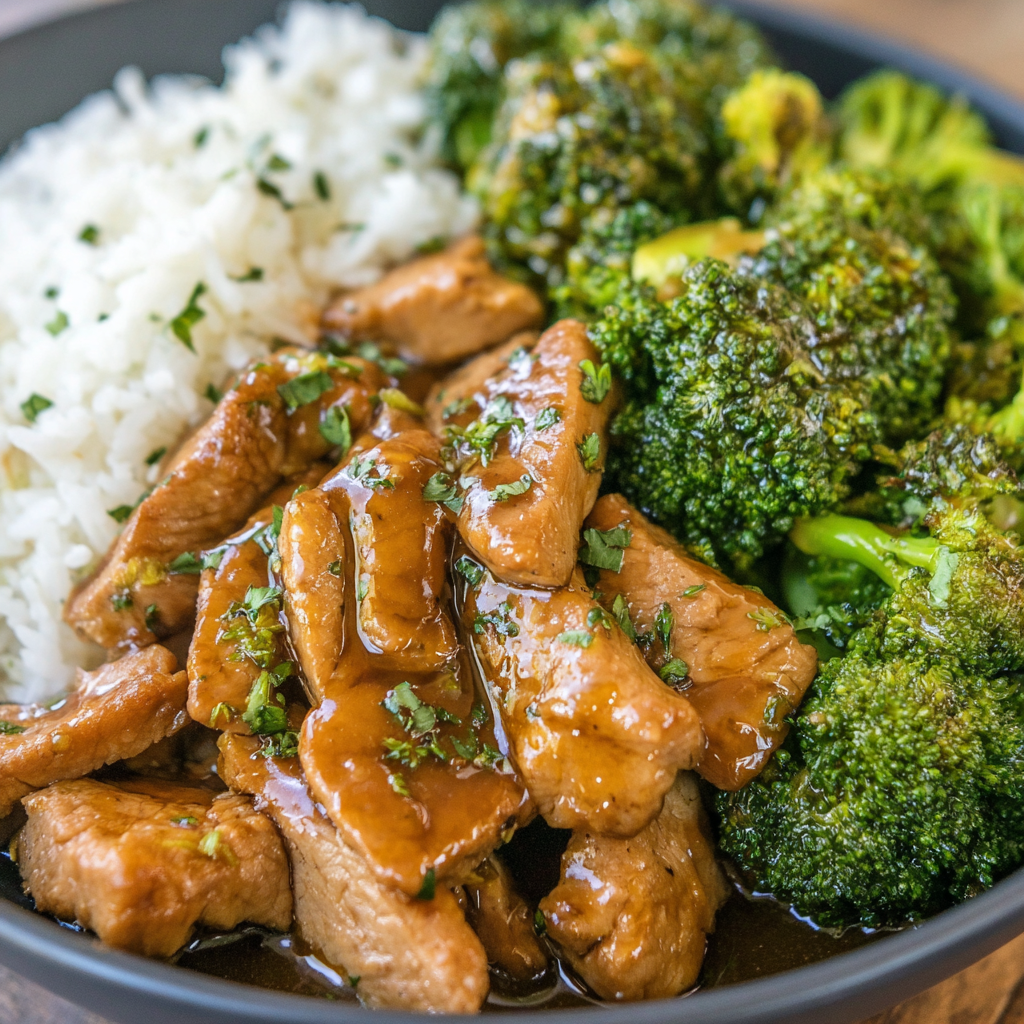
This Teriyaki Pork Stir Fry with Broccoli has been one of my dependable weeknight rescues for years. I first put this combination together when I had a package of boneless pork chops and a craving for something saucy and comforting but fast — the kind of dish that hits the spot without demanding a lot of hands-on time. The pork stays juicy because I cut it into 1/2-inch cubes and give it a light cornstarch coating, which helps create a silky-smooth sauce that clings to every bite. The broccoli adds a bright, slightly crunchy contrast that our family loves.
I’ve made this version hundreds of times and learned a few tricks along the way: let the pork marinate for at least 15 minutes so the flavors penetrate, use a hot pan and work in batches to get a proper caramelized sear, and make the sauce with mirin for a genuine sweet-savoury depth. Serve it over freshly steamed white rice, brown rice, or even lo mein-style noodles. It’s also forgiving for meal prep—heat it gently so the sauce doesn’t break and you’ll have a reliable dinner for the week.
I remember serving this at a last-minute dinner for friends; the glossy sauce and quick sear made it look restaurant-quality even though it took under an hour. My partner always says the pork stays juiciest when I don’t overcook it—tender, with a little caramelized edge.
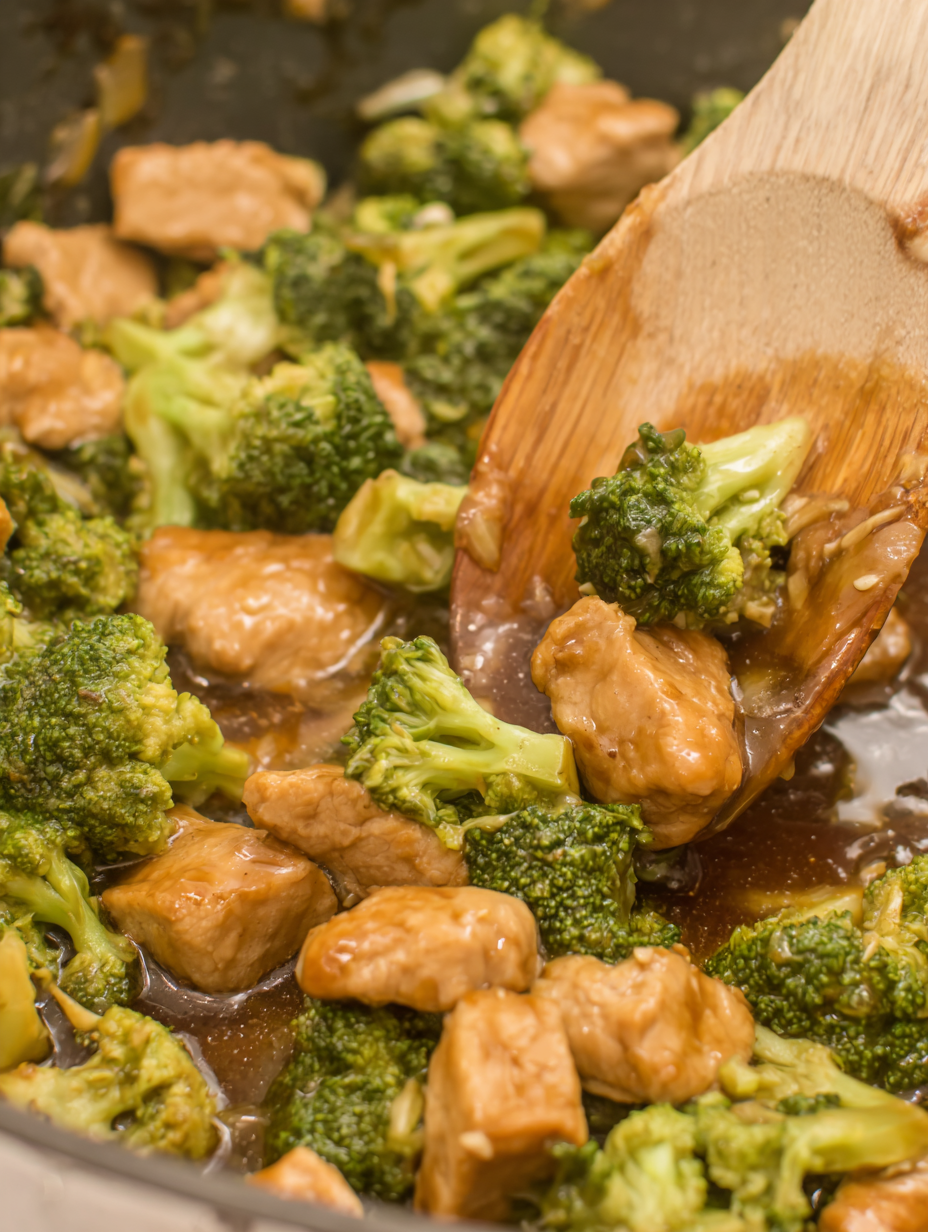
One of my favorite things about this preparation is how forgiving it is: even when I toss in extra vegetables, the sauce brings everything together. Family members often tell me it tastes like takeout—only fresher and brighter. I love how a short rest time for the pork and a hot pan transform simple ingredients into a glossy, restaurant-style platter.

Store leftovers in airtight containers in the refrigerator for up to 3–4 days. If you plan to freeze, separate the pork and sauce from the broccoli—frozen broccoli tends to get softer after thawing. Label frozen containers with the date and use within 2 months for best flavor. To reheat from refrigerated, warm gently in a skillet over low heat, adding a splash of water if the sauce tightens. For frozen portions, thaw overnight in the fridge and reheat slowly so the sauce revives without breaking.
If you want soy-free, swap low-sodium soy sauce for coconut aminos—expect a slightly sweeter, less salty profile. Mirin can be substituted with dry sherry plus 1 teaspoon sugar if needed, though mirin gives a unique sweet acidity. Use chicken breast or thigh cut into cubes in place of pork if you prefer, but adjust cooking time: chicken cooks a touch faster and should reach 165°F (74°C). For a lower-sugar version, reduce the sugar by half and add a splash of honey or a sugar substitute to taste.
Serve this over steamed jasmine rice for a classic pairing or brown rice for a nuttier flavor. For an even heartier plate, toss the cooked pork and sauce with lo mein or rice noodles and finish with sesame oil and sliced scallions. Garnishes like toasted sesame seeds, thinly sliced green onion, or a few chili flakes add visual appeal and a layer of flavor. Pair with a simple cucumber salad or pickled ginger to cut through the richness.
This dish draws on East Asian stir-fry techniques and the classic teriyaki profile—originating from Japan—where a sweet-savoury glaze is used to finish grilled or sautéed proteins. Mirin, a sweet rice wine, is a cornerstone for that glossy finish. While this is an American home-cook interpretation using pork chops and frozen broccoli, the technique honors the quick, high-heat cooking that preserves texture and concentrates flavor.
In spring and summer, swap frozen broccoli for fresh broccoli florets or asparagus for a brighter, crisper finish. Add thinly sliced bell peppers and snow peas for color. In fall and winter, hearty vegetables like carrots, baby corn, and shiitake mushrooms add depth; saute them a little longer before adding the pork back in so they become tender. You can also add a tablespoon of toasted sesame oil at the end in cooler months for a warming aroma.
Divide into four airtight containers with rice and cool completely before sealing to avoid sogginess. Keep broccoli separate if you want it crisper on reheating. When reheating, do it gently over medium-low heat or in 30-second microwave bursts, stirring between intervals so the sauce warms evenly. Add an extra splash of water if the sauce tightens up during storage to revive the glossy texture.
Final note: this is one of those dependable, customizable meals that tastes like effort but actually saves time. Make it your own with extra vegetables or a swapped protein—the technique remains the same and consistently delivers a flavorful, family-friendly dinner.
Pat pork dry before adding to a hot pan to ensure a good sear and avoid steaming.
Work in batches when searing to prevent overcrowding and to achieve proper caramelization.
Make the cornstarch slurry with cold water and whisk thoroughly before adding to avoid lumps during thickening.
This nourishing teriyaki pork stir fry with broccoli recipe is sure to be a staple in your kitchen. Enjoy every moist, high protein slice — it is perfect for breakfast or as a wholesome snack any time.
Yes. Store in an airtight container in the refrigerator for 3–4 days. Freeze pork and sauce only for up to 2 months; add broccoli fresh when reheating.
Use coconut aminos in place of soy sauce and omit mirin or replace with dry sherry plus a teaspoon of sugar. Flavor will be slightly different.
This Teriyaki Pork Stir Fry with Broccoli recipe makes perfectly juicy, tender, and flavorful steak every time! Serve with potatoes and a side salad for an unforgettable dinner in under 30 minutes.
Combine pork cubes with 3 tablespoons water, 1 tablespoon soy sauce, 1 tablespoon cornstarch, 1 teaspoon avocado oil, 1/2 teaspoon granulated garlic, and 1/4 teaspoon ground ginger. Toss to coat and let rest for 15–20 minutes so the cornstarch adheres and flavors penetrate.
Whisk together 1/2 cup mirin, 1/2 cup low-sodium soy sauce, 1/4 cup sugar, and 2 1/2 tablespoons rice vinegar in a small bowl. Adjust sweetness to taste and set aside until needed.
Heat a large skillet or wok over medium-high heat and add 1–2 tablespoons avocado oil. Sear the pork in a single layer, cooking 2–3 minutes per side until golden-brown, working in batches to avoid crowding. Transfer browned pork to a plate.
Return all pork to the skillet, pour in the prepared sauce, add frozen broccoli, cover, and simmer over medium heat for 4–6 minutes until the broccoli is heated through and pork reaches a safe internal temperature (145°F).
Whisk 2–3 tablespoons cornstarch with 1/3 cup cold water to make a slurry. Stir into the skillet and bring to a gentle boil for 1–2 minutes until the sauce thickens and becomes glossy. Thin with water if too thick.
Serve immediately over steamed rice or noodles, garnish with sesame seeds or sliced scallions if desired. Store leftovers in an airtight container and reheat gently.
Last Step: Please leave a rating and comment letting us know how you liked this recipe! This helps our business to thrive and continue providing free, high-quality recipes for you.
Leave a comment & rating below or tag
@platemint on social media!
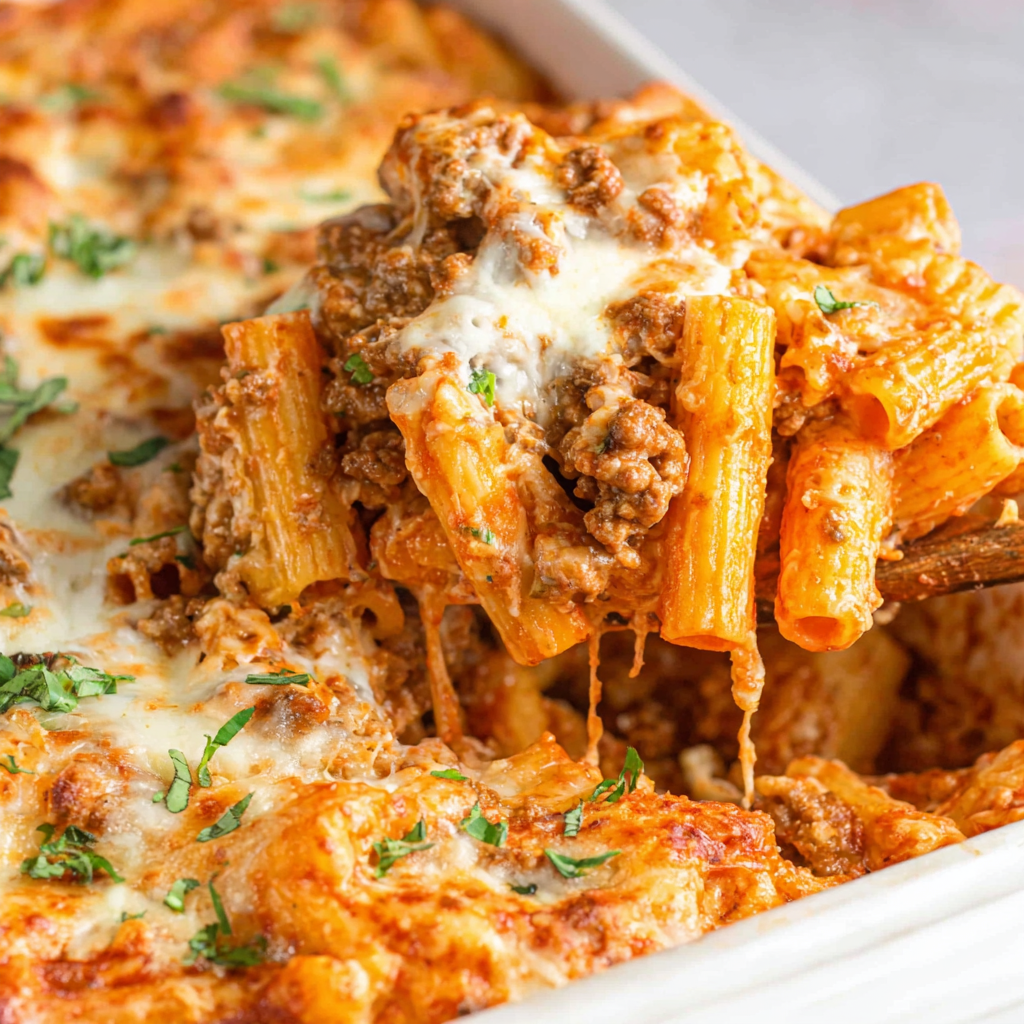
Saucy, cheesy baked ziti with ricotta and basil tastes like lasagna in half the effort, perfect for weeknights or crowds.

Quick, crowd-pleasing cheeseburger sliders baked golden with melty cheddar and savory beef. Ready in 30 minutes, great for parties and easy meal prep.
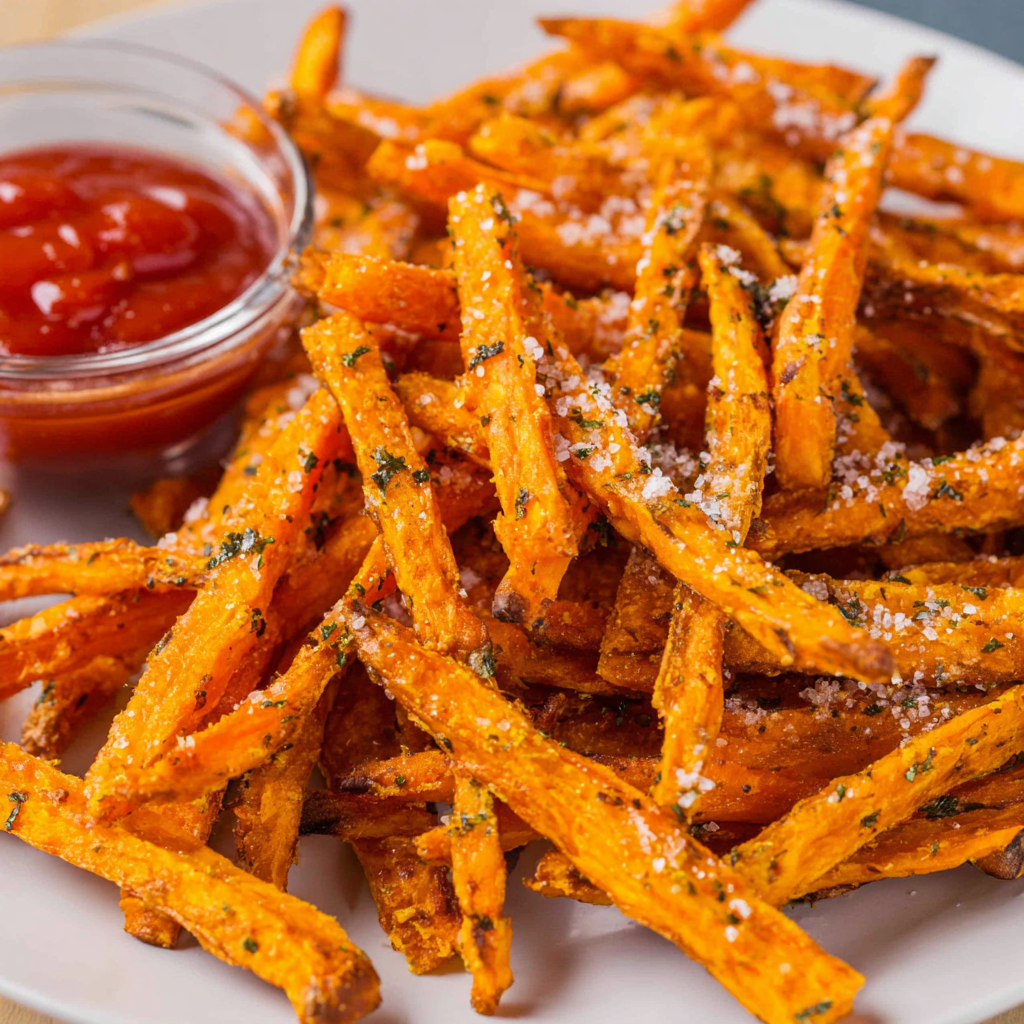
Crispy air fryer sweet potato fries with tender centers, fast-food flavor without deep frying. Ready in minutes and irresistibly snackable.
Leave a comment & rating below or tag @platemint on social media!
Enjoyed this recipe? Share it with friends and family, and don't forget to leave a review!
This recipe looks amazing! Can't wait to try it.
Comments are stored locally in your browser. Server comments are displayed alongside your local comments.

Join to receive our email series which contains a round-up of some of our quick and easy family favorite recipes.