
Sticky Lemon Cauliflower

Sweet, sticky, and savory lemon-glazed cauliflower that's crispy on the outside and tender inside — a vegan, crowd-pleasing centerpiece you can make in under 45 minutes.
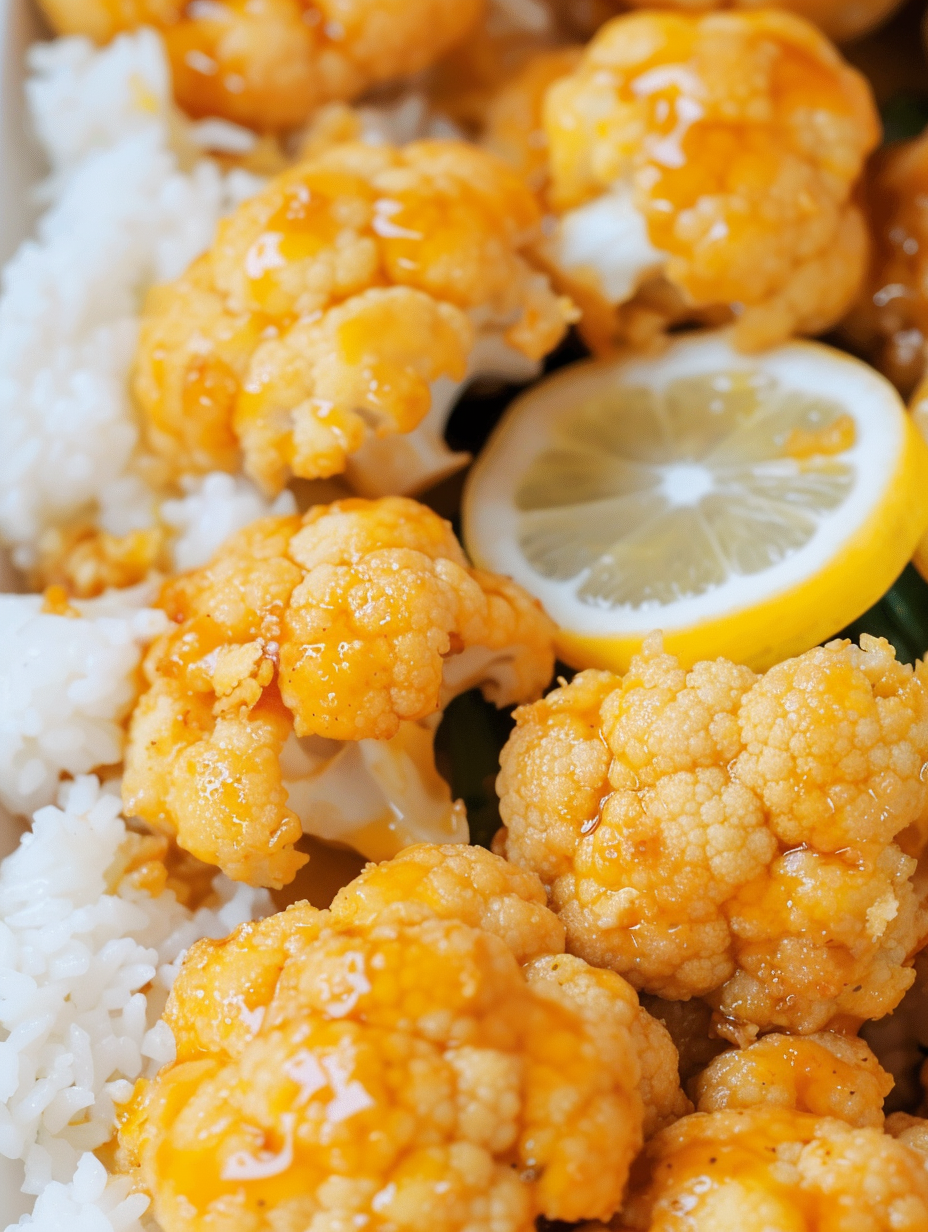
This sticky lemon cauliflower is one of those unexpected recipes that became a weekday staple in my kitchen. I first cooked it on a busy weeknight when I wanted something bright and comforting without turning on the stove for long. The combination of a light crispy coating and a glossy lemon-maple glaze delivers both sweet and savory notes with a gentle tang that makes the cauliflower sing. It’s substantial enough to serve as a main course for 3 to 4 people or to pair alongside steamed rice and quick stir-fried greens for a fuller spread.
I discovered this technique after experimenting with baked cauliflower as a lighter alternative to fried appetizers. The trick is to get a thin, even batter that the panko sticks to, then transfer the roasted florets into a bubbling sauce that clings like lacquer. The texture contrast — crunchy exterior giving way to a tender core — and the bright citrus finish are what keep us coming back. It’s also very forgiving: swap the sweetener, use gluten-free crumbs, or sub in another vinegar and you still end up with something delicious.
Why You'll Love This Recipe
- Fast and simple: prep takes about 5 minutes and the cauliflower roasts in 35 minutes for an overall hands-off main that’s ready in about 40 minutes.
- Pantry-friendly ingredients: most kitchens have cornstarch, vinegar, and a sweetener on hand; panko can be swapped for gluten-free crumbs if needed.
- Crispy, not oily: baking the florets reduces fat while keeping a crunchy coating that soaks up the lemon glaze beautifully.
- Flexible and dietary-friendly: naturally plant-based and easy to make dairy-free or gluten-free with minor swaps.
- Crowd-pleasing finish: the glossy sauce is sweet, slightly tangy, and sticky — people reach for second helpings.
On the first night I served this, my partner declared it worthy of company dinner status. Friends who seldom ask for seconds cleared their plates. Because the sauce comes together while the cauliflower bakes, it’s a great option for busy evenings and for when you want something that looks and tastes like you fussed — but didn’t.
Ingredients
- Cauliflower: Use about half a large head (roughly 6 to 8 ounces of florets per person) so the pieces roast evenly; choose a firm head without brown spots. Cutting to similar sizes ensures even baking.
- Milk of choice: 1/4 cup of unsweetened plant milk like almond, oat, or soy keeps this plant-based; if you prefer dairy milk, whole milk will give slightly richer browning.
- Fine cornmeal or all-purpose flour: 1/4 cup helps the batter cling and adds body. Fine cornmeal gives a subtle grit and flavor, flour yields a smoother batter.
- Oil: 1 to 2 teaspoons for the batter helps with browning; neutral oils like canola or vegetable are best. You can try omitting it but expect less golden crust.
- Panko breadcrumbs: 1/2 cup provides the crunchy exterior. Use regular panko or a gluten-free variety if you need GF. Finely crushed breadcrumbs adhere better.
- Vegetable broth: 1/4 cup adds savory depth to the sauce; water could be used in a pinch but broth improves mouthfeel.
- Lemon juice: 1 1/2 tablespoons fresh lemon juice brightens and balances the sweetness; freshly squeezed is recommended for the cleanest flavor.
- Pure maple syrup, honey, or agave: 2 1/2 tablespoons create the sticky glaze. Maple keeps it vegan; honey is slightly bolder and not vegan.
- Rice vinegar or apple cider vinegar: 1 tablespoon adds acid complexity; rice vinegar keeps a milder profile.
- Minced garlic, salt, ginger powder: Small amounts (1 teaspoon garlic, 1/8 teaspoon salt, 1/8 teaspoon powdered ginger) provide aromatics and balance without overpowering the lemon.
- Cornstarch or arrowroot: 2 teaspoons to thicken the sauce quickly into a glossy coating. Mix with a little cold liquid before adding so it disperses smoothly.
- Lemon zest (optional): A small pinch or sprinkle at the end for fresh aroma.
Instructions
Prepare the crumbs and preheat the oven:Preheat the oven to 425 degrees Fahrenheit. Finely crush 1/2 cup panko breadcrumbs by pulsing them in a blender or placing them in a bag and rolling with a pin. A fine crumb size helps the coating adhere evenly and crisps uniformly in the oven.Cut and coat the cauliflower:Trim and separate about half a large head into even florets. In a large zipper bag or bowl whisk 1/4 cup milk, 1/4 cup fine cornmeal (or flour), and 1 to 2 teaspoons oil until smooth. Add the florets and toss so each piece gets a thin batter layer. Drain in a colander for a couple of minutes to remove excess batter; too much batter will pool under the crumbs and prevent crisping.Breadcrumb the florets and bake:Toss the drained florets with the crushed panko until evenly coated. Arrange in a single layer on a parchment-lined baking sheet with space between pieces for air circulation. Bake at 425 F for 35 to 40 minutes, turning once halfway through, until golden and crisp on the edges and tender when pierced with a knife.Make the lemon glaze:While the cauliflower roasts, whisk together 1/4 cup vegetable broth, 1 1/2 tablespoons lemon juice, 2 1/2 tablespoons maple syrup, 1 tablespoon rice vinegar, 1 teaspoon minced garlic, 1/8 teaspoon salt, and 1/8 teaspoon powdered ginger in a small saucepan. In a separate small bowl stir 2 teaspoons cornstarch with 1 tablespoon cold water to make a slurry, then whisk into the sauce. Bring to medium heat and whisk continuously until the mixture thickens and becomes glossy, about 1 to 2 minutes. Remove from heat.Glaze and finish:When the cauliflower is out of the oven, transfer the hot florets into the saucepan and gently toss to coat so the sauce clings and slightly softens the crust into a lacquered finish. Garnish with lemon zest if desired, then serve immediately over rice or greens.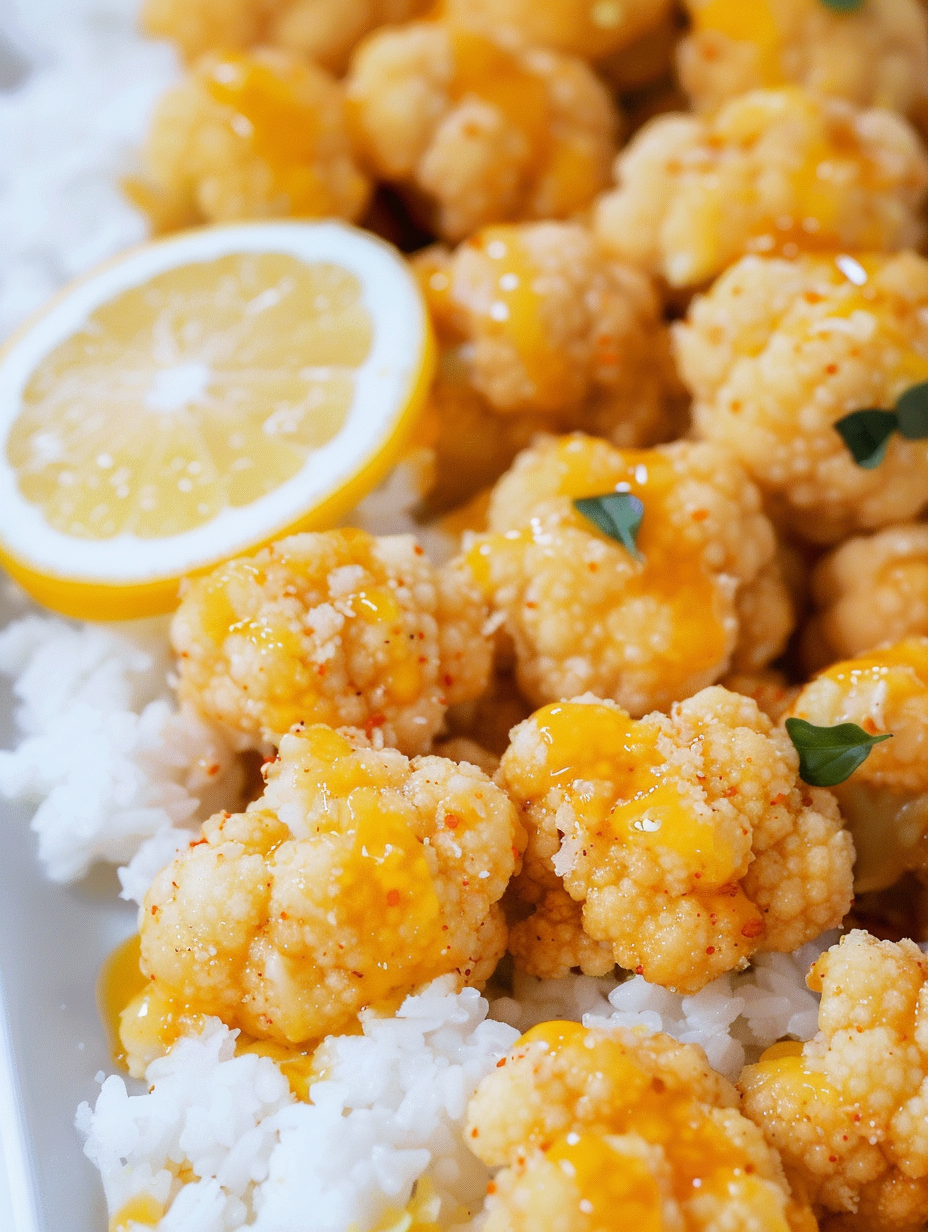
You Must Know
- This dish freezes well for up to 3 months if you freeze the roasted florets separately from the sauce; reheat and then glaze to retain texture.
- It’s high in vitamin C and fiber thanks to the cauliflower and lemon, though sugar from the maple syrup adds calories — adjust to taste.
- Panko gives the best crunch; if you use regular breadcrumbs the exterior will be denser, and for gluten-free choose certified GF panko.
- The sauce thickens quickly; whisk the cornstarch into cold liquid before adding to keep the glaze smooth and lump-free.
My favorite part is how the lemon hits right at the end — bright and not cloying. Friends have told me it tastes like a restaurant dish but better the next day when the flavors have melded. The first time I made it for a group, everyone complimented the texture contrast; one friend even asked for the recipe card to bring to a potluck. Cooking it taught me to trust high-heat roasting paired with a quick pan sauce — the result is greater than the sum of its parts.
Storage Tips
Cool leftovers for no more than an hour before refrigerating in an airtight container. Store roasted florets and glaze together in the fridge for up to 3 days. For longer storage, freeze the roasted florets on a sheet tray until solid before transferring to a freezer bag; store the glaze separately in a small freezer-safe container for up to 3 months. To reheat, thaw overnight in the fridge, re-crisp florets on a baking sheet at 400 degrees Fahrenheit for 8 to 10 minutes, then warm the glaze gently on the stove and toss to finish. Avoid microwaving straight from frozen — it will make the crust soggy.
Ingredient Substitutions
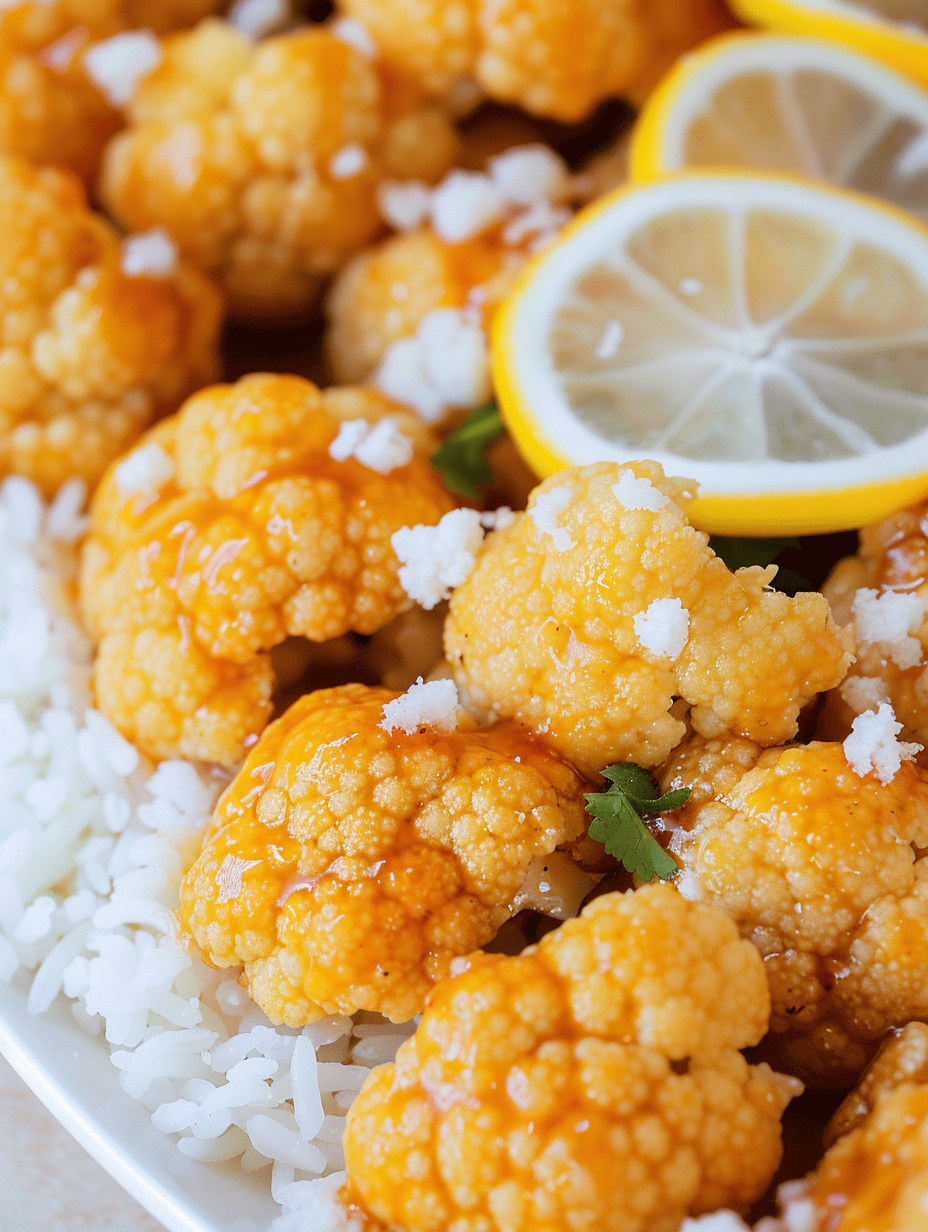
If you need this to be gluten-free, substitute certified gluten-free panko or use crushed rice crackers for a similar crunch. For the binder you can swap the 1/4 cup cornmeal with 1/4 cup all-purpose flour; for a nut-free option make sure your plant milk is nut-free. If you want less sweetness, reduce the maple syrup to 2 tablespoons or use 1 tablespoon and increase lemon juice by 1/2 teaspoon. To make a spicier version, add 1/4 to 1/2 teaspoon red pepper flakes into the glaze — this turns it toward a tangy sweet-heat profile.
Serving Suggestions
Serve the sticky lemon cauliflower over steamed jasmine rice, quinoa, or a bed of garlic bok choy for a complete meal. For a restaurant-style plate, spoon extra glaze over the top and finish with a scattering of toasted sesame seeds and chopped scallions. Pair with a simple cucumber salad or a quick stir-fry for texture contrast. It also shines as an appetizer on a platter with lemon wedges and a light dipping sauce like a soy-miso dressing.
Cultural Background
While not a traditional dish, this recipe borrows technique and flavor cues from modern East-Asian-inspired cooking: high-heat roasting for texture, a balance of sweet-sour-salty in a glaze, and the use of cornstarch to achieve that glossy finish common in Chinese pan sauces. The combination of citrus, vinegar, and sweetener echoes many glaze preparations found in contemporary Chinese-American kitchens, adapted here to highlight the versatility of cauliflower as a plant-based centerpiece.
Seasonal Adaptations
In spring and summer, brighten the glaze with a little grated orange zest or add fresh herbs like cilantro at the end. In fall and winter, swap some maple syrup for brown sugar and finish with a squeeze of blood orange or use preserved lemon for a deeper, more savory citrus note. During cooler months, serve alongside roasted root vegetables and braised greens to create a comfortably robust menu.
Meal Prep Tips
For efficient meal prep, roast a double batch of cauliflower and store in portions in the fridge. Keep the glaze separate and pour it on at reheating time to avoid soggy leftovers. Pre-portion rice or grains in meal containers, add a portion of roasted cauliflower and a small container of glaze, and store for up to 3 days. Reheat in the oven or on a sheet tray to preserve crunch, then toss with warmed glaze just before serving.
This sticky lemon cauliflower is a satisfying, adaptable dish that invites creativity. Whether you make it for a busy weeknight, a potluck, or as part of a larger vegetarian spread, it reliably delivers bright flavor and pleasing texture — and I hope it becomes one of your favorite quick centerpiece options too.
Pro Tips
Drain excess batter in a colander before coating with panko to keep the crust crisp during baking.
Whisk cornstarch into cold liquid first to avoid lumps when thickening the sauce.
Bake in a single layer and avoid crowding the pan so air circulates and crisps the coating.
Use fresh lemon juice rather than bottled for the cleanest, brightest flavor.
If making ahead, roast the florets and store the glaze separately to preserve texture.
This nourishing sticky lemon cauliflower recipe is sure to be a staple in your kitchen. Enjoy every moist, high protein slice — it is perfect for breakfast or as a wholesome snack any time.
Tags
Sticky Lemon Cauliflower
This Sticky Lemon Cauliflower recipe makes perfectly juicy, tender, and flavorful steak every time! Serve with potatoes and a side salad for an unforgettable dinner in under 30 minutes.
Ingredients
Produce
Coating and binder
Sauce
Instructions
Preheat and prepare crumbs
Preheat oven to 425 degrees Fahrenheit. Finely crush 1/2 cup panko breadcrumbs in a blender or by placing them in a bag and rolling with a pin until consistently fine.
Mix batter and coat cauliflower
Whisk together 1/4 cup milk, 1/4 cup fine cornmeal (or flour), and 1 to 2 teaspoons oil. Add florets to the mixture in a large zipper bag or bowl, toss to coat evenly, then drain excess batter in a colander for a few minutes.
Breadcrumb and arrange
Toss drained florets with the crushed panko until well coated. Arrange in a single layer on a parchment-lined baking sheet with space between pieces to promote even browning.
Bake until crisp
Bake at 425 F for 35 to 40 minutes, turning once halfway through, until edges are golden and florets are tender when pierced with a knife.
Prepare lemon glaze
While cauliflower bakes, whisk together 1/4 cup vegetable broth, 1 1/2 tablespoons lemon juice, 2 1/2 tablespoons maple syrup, 1 tablespoon rice vinegar, 1 teaspoon minced garlic, 1/8 teaspoon salt, and 1/8 teaspoon powdered ginger. Stir in cornstarch slurry and heat over medium, whisking until thick and glossy.
Glaze and serve
Transfer hot roasted florets into the thickened glaze and gently toss to coat. Serve immediately, garnished with lemon zest if desired.
Last Step: Please leave a rating and comment letting us know how you liked this recipe! This helps our business to thrive and continue providing free, high-quality recipes for you.
Nutrition
Did You Make This?
Leave a comment & rating below or tag
@platemint on social media!
Categories:
You might also like...
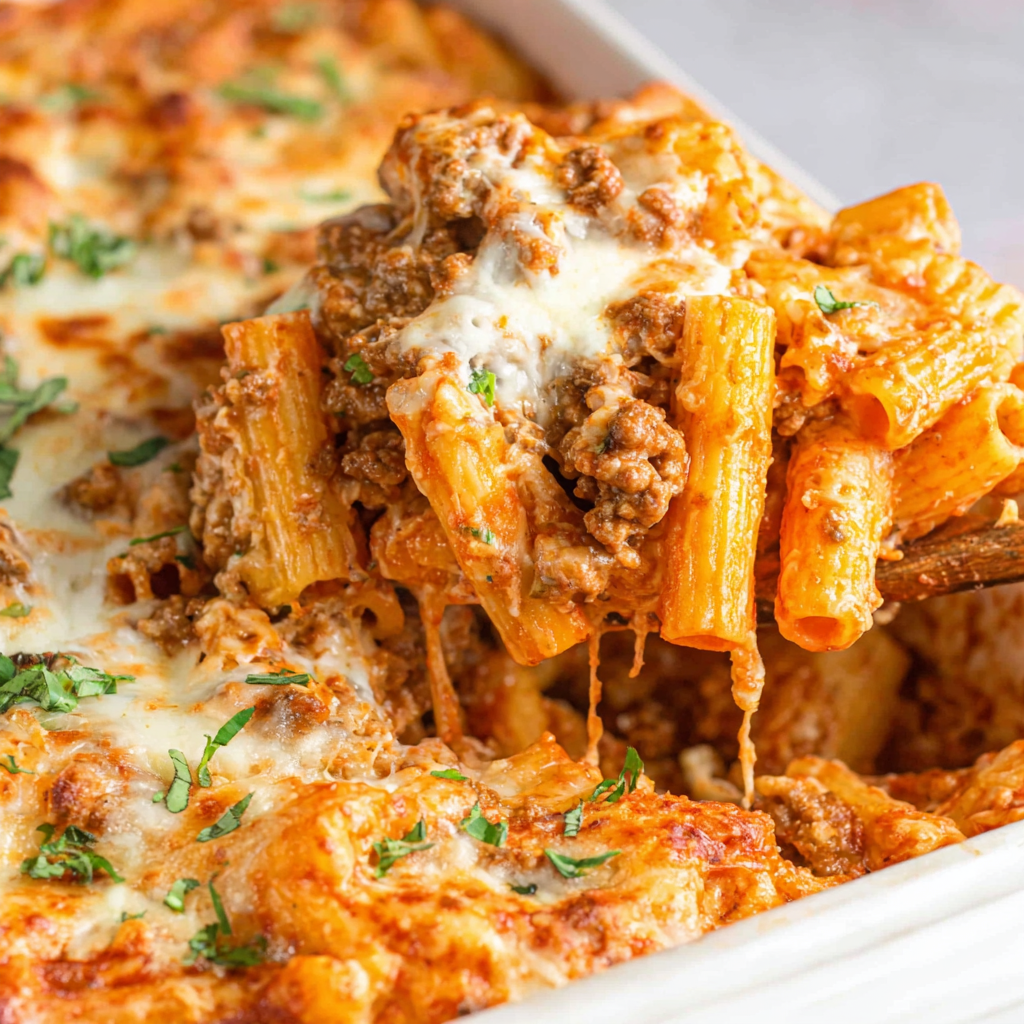
Cheesy Baked Ziti Casserole
Saucy, cheesy baked ziti with ricotta and basil tastes like lasagna in half the effort, perfect for weeknights or crowds.

Juicy Cheeseburger Sliders Bake
Quick, crowd-pleasing cheeseburger sliders baked golden with melty cheddar and savory beef. Ready in 30 minutes, great for parties and easy meal prep.
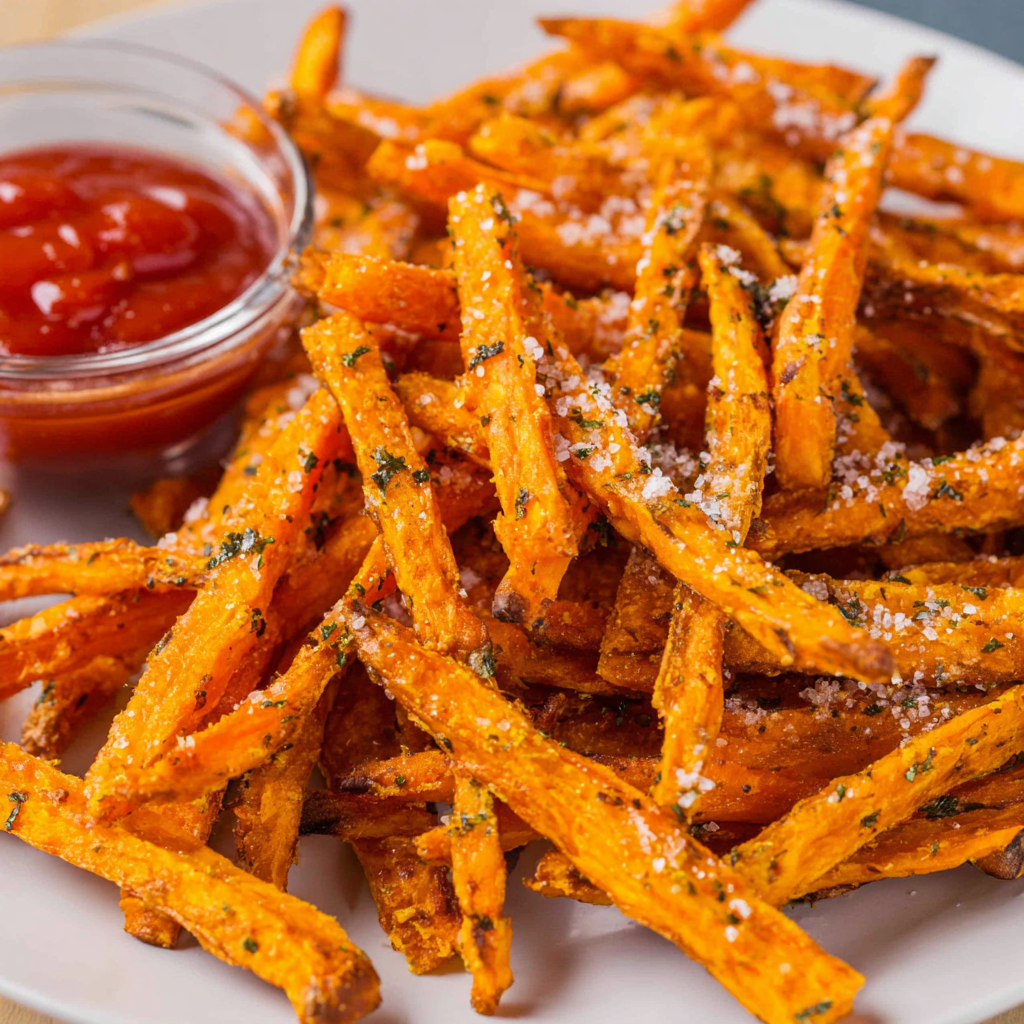
Air Fryer Sweet Potato Fries
Crispy air fryer sweet potato fries with tender centers, fast-food flavor without deep frying. Ready in minutes and irresistibly snackable.
Did You Make This?
Leave a comment & rating below or tag @platemint on social media!
Rate This Recipe
Share This Recipe
Enjoyed this recipe? Share it with friends and family, and don't forget to leave a review!
Comments (1)
This recipe looks amazing! Can't wait to try it.
Comments are stored locally in your browser. Server comments are displayed alongside your local comments.

Hi, I'm Wendie!
What's Popular
30-Minute Meals!
Join to receive our email series which contains a round-up of some of our quick and easy family favorite recipes.