>>

Thick, flaky, melt-in-your-mouth Southern buttermilk biscuits made the old-fashioned way—layered, buttery, and perfect for breakfast or as a side.
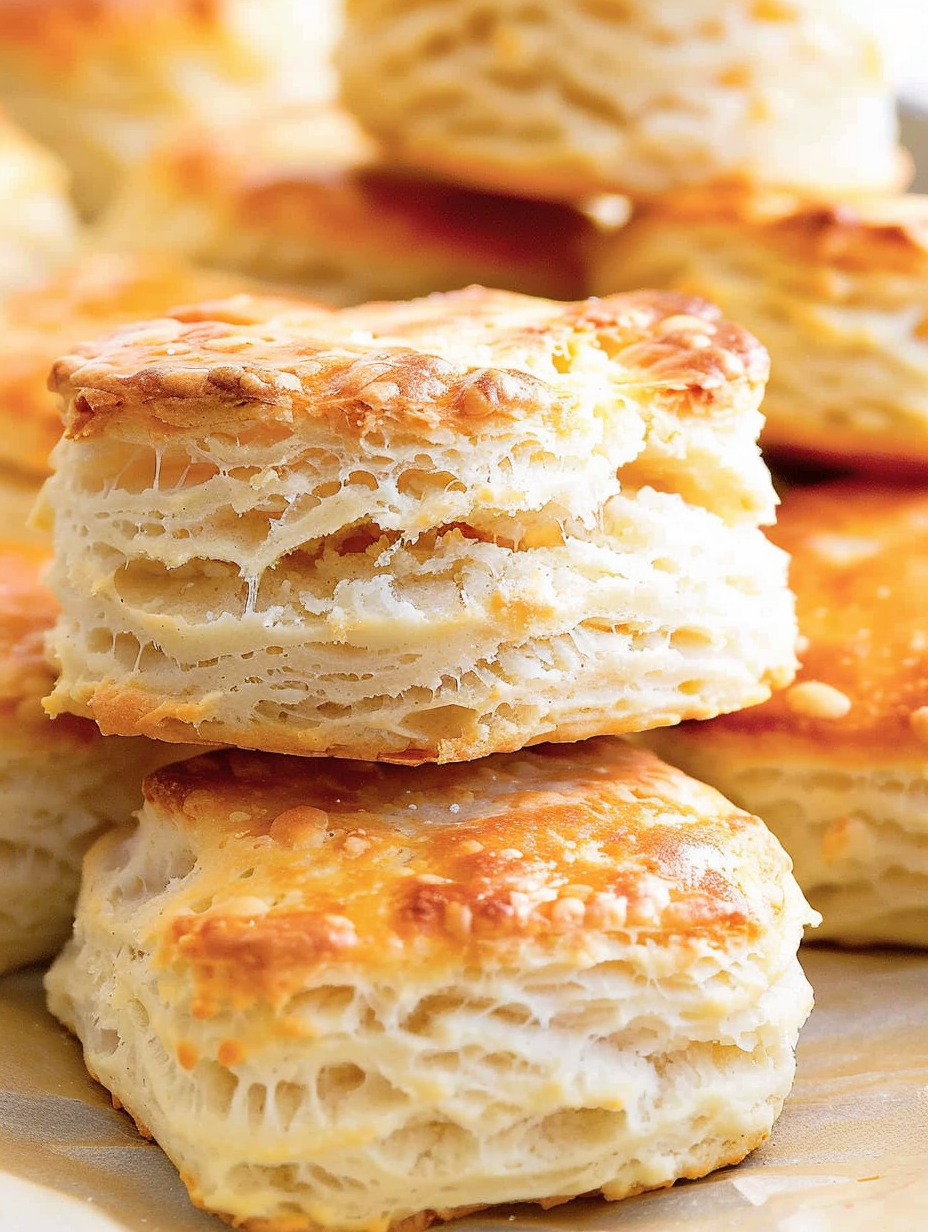
This batch of old-fashioned Southern buttermilk biscuits has been my warm, buttery answer to chilly mornings and lazy weekend brunches for years. I discovered this technique—the grating, the chilling, the tri-fold layering—during a winter weekend when I wanted biscuits that rose tall, had thin flaky layers, and tasted like the kind my grandmother used to pull from a cast-iron skillet. The first time I served them, my family stood at the counter, steam fogging the windows, and declared them the best they'd had in years. That's when I knew this method was a keeper.
What makes these biscuits special is the rhythm of the process: cold butter grated into cold flour, a handful of buttermilk added just until it comes together, and a series of gentle folds that builds those signature layers without overworking the dough. The crumb is tender but substantial; the crust turns a rich golden brown while the inside stays pillowy. Serve them split and slathered with butter, honey, or pulled pork—the contrast between the crisp exterior and the cloudlike interior always gets compliments.
I’ve taught this folding technique to friends and seen unbelieving expressions the first time they cut a biscuit and find light, feathery layers inside. At family breakfasts, everyone reaches for seconds; once you master the tri-fold, you’ll find yourself making biscuits for celebrations, impromptu visits, and many cozy mornings ahead.
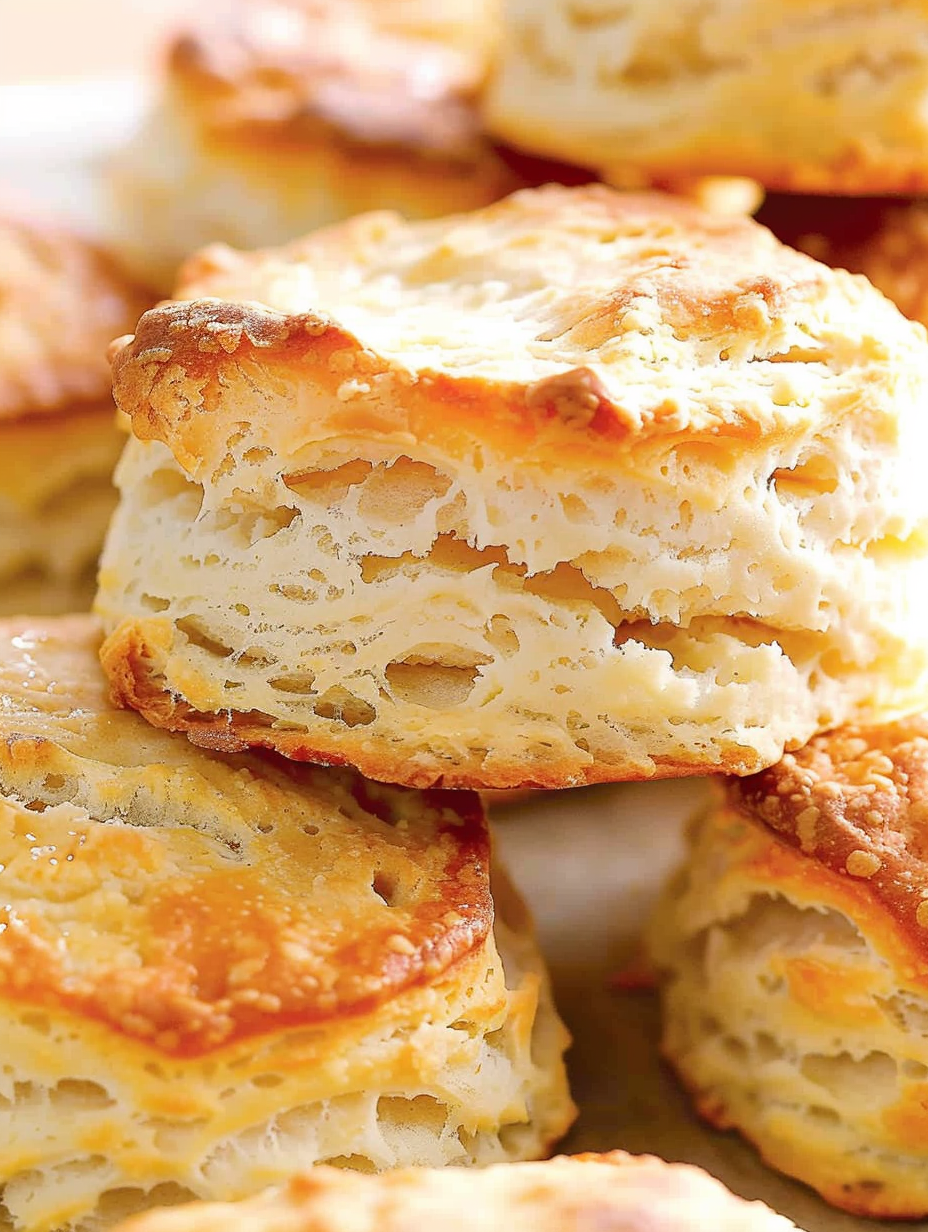
My favorite part is splitting a warm biscuit and watching butter melt into the interior crevices—kids and grown-ups both grin at the first buttery bite. I’ve served these at holiday mornings and weeknight dinners; they disappear. The technique takes practice but is forgiving once you understand the importance of cold ingredients and minimal handling.
Store cooled biscuits in a breathable container for short-term use—an airtight container can trap steam and soften the crust. For 1–2 day storage, keep at room temperature wrapped in a clean kitchen towel and placed inside a breadbox or covered dish. Refrigerate for up to four days; to reheat, wrap in foil and warm at 350°F for 8–10 minutes, or microwave single biscuits for 15–20 seconds for immediate serving. To freeze, place baked biscuits in a single layer on a tray until solid, then transfer to a freezer bag; reheat from frozen in a 375°F oven for 12–15 minutes, brushing with a little melted butter before serving to restore moisture.
If you don’t have buttermilk, make a quick substitute by adding 1 tablespoon white vinegar or lemon juice to just under 1 cup of milk, let sit 5 minutes, then measure out 3/4 cup plus 1 tablespoon. For a dairy-free alternative, use a plant-based milk (soy or oat) plus 1 tablespoon vinegar and a dairy-free solid fat like vegan butter, keeping it very cold. Whole wheat pastry flour can replace up to half the all-purpose flour for a nuttier flavor, but the biscuits will be slightly denser—keep the folding and chilling steps the same to preserve flakiness.
These biscuits shine with softened butter and honey, preserves, or a smear of lemon curd for breakfast. For savory options, split and fill with country ham, fried chicken, or scrambled eggs and cheese. They pair well with stews and tomato-based gravies—think shrimp and grits on the side or a roast chicken dinner. Garnish with a sprinkle of flaky sea salt on top after brushing with butter for an elevated presentation at brunch or holiday tables.
Spring and summer invite fresh herb biscuits—fold in a tablespoon of finely chopped chives, thyme, or basil to the dough. In autumn, stir in 1–2 teaspoons ground cinnamon and a tablespoon of brown sugar for a sweeter biscuit to accompany spiced jam. For winter holidays, add 1/4 cup grated sharp cheddar and a pinch of cayenne for a festive savory twist that complements rich roasts and soups. Small changes in mix-ins can shift the biscuit from sweet breakfast to savory side without altering technique.
For meal prep, cut biscuits and place the rounds on a tray lined with parchment; freeze until solid and store in freezer bags. When ready to bake, place frozen rounds on a sheet tray, brush with buttermilk, and add a few minutes to the baking time—typically 3–5 minutes longer. Alternatively, par-bake biscuits for 6–7 minutes, cool, and freeze; finish baking from frozen for 8–10 minutes. Use shallow, rigid containers to prevent crushing and label with dates to rotate stock for best freshness.
Every time I bake this batch, someone asks for the recipe. It’s the kind of comfort food that bridges generations—simple, buttery, and reliably delicious. Make a batch for a weekend breakfast and you’ll see why these biscuits have become part of our family rhythm.
Keep butter and buttermilk cold—chill them before combining to ensure flaky layers.
Avoid twisting the cutter when cutting biscuits; press straight down for maximum rise.
Use fresh baking powder; if it fizzes in warm water it's still active.
Work quickly and lightly—overworking the dough develops gluten and makes tough biscuits.
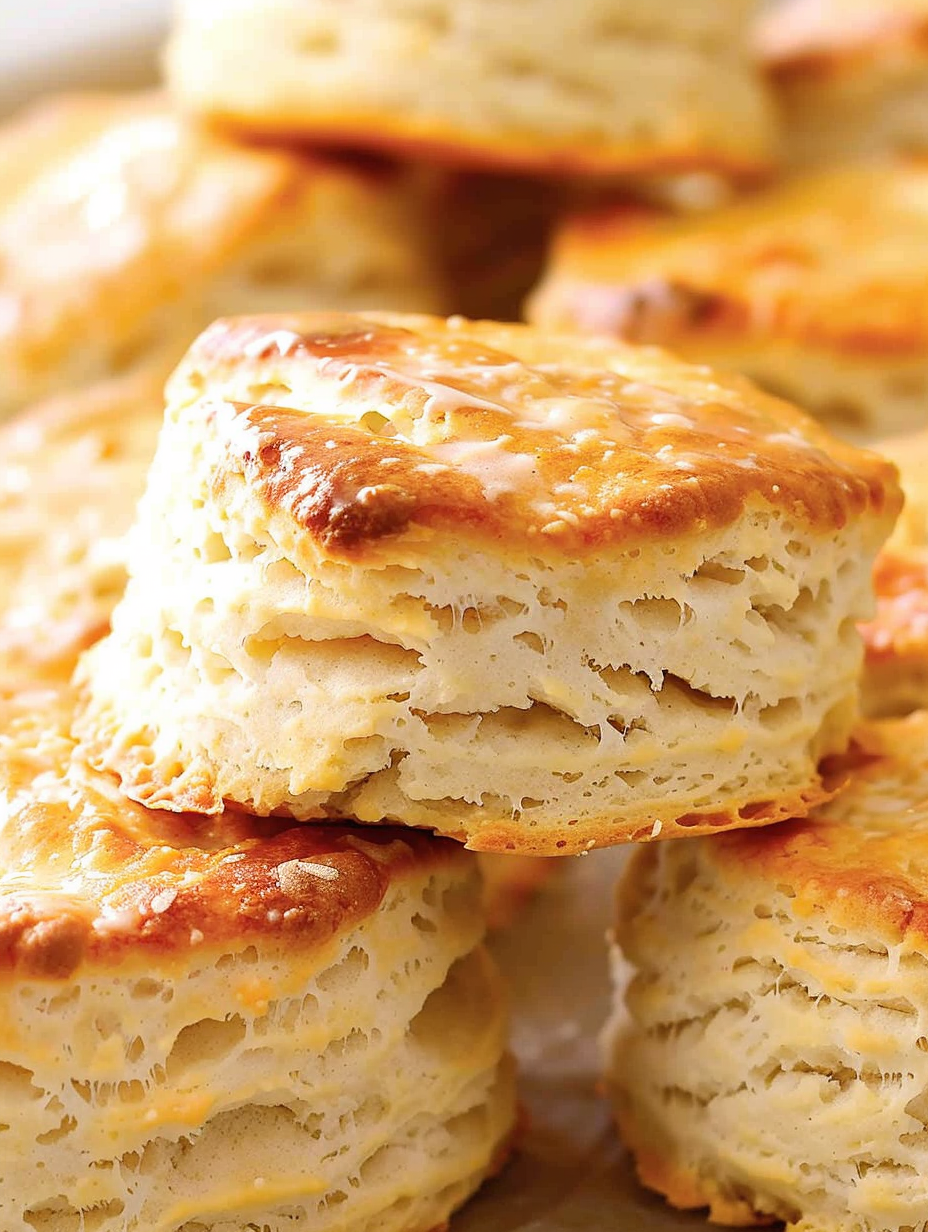
Brush hot biscuits with melted butter immediately for a glossy, flavorful finish.
This nourishing old-fashioned southern buttermilk biscuits recipe is sure to be a staple in your kitchen. Enjoy every moist, high protein slice — it is perfect for breakfast or as a wholesome snack any time.
If you don't have buttermilk, combine 1 tablespoon white vinegar or lemon juice with just under 1 cup milk, let it sit 5 minutes, then measure 3/4 cup + 1 tablespoon for the recipe.
Yes—freeze cut biscuit rounds on a tray until solid, then transfer to a freezer bag. Bake from frozen adding about 3–5 minutes to the original baking time.
This Old-Fashioned Southern Buttermilk Biscuits recipe makes perfectly juicy, tender, and flavorful steak every time! Serve with potatoes and a side salad for an unforgettable dinner in under 30 minutes.
Preheat oven to 425°F and line a baking sheet with parchment paper. Position a rack in the upper third of the oven to encourage even browning and height.
Grate or dice 8 tablespoons of butter and place in the freezer for 15 minutes along with the buttermilk. Cold fat creates steam pockets for lift.
In a large bowl whisk 2 cups flour, 1 1/2 tablespoons baking powder, 1 tablespoon sugar, 3/4 teaspoon salt, and 1/4 teaspoon baking soda until evenly distributed.
Add chilled butter to the flour mixture and use a pastry cutter or two forks until the texture is crumbly with pea-sized pieces of butter remaining.
Pour in 3/4 cup cold buttermilk and stir just until the dough comes together and remains slightly shaggy with some loose flour.
Turn dough onto a floured surface, form a ball, roll to a 1/2-inch rectangle, tri-fold (fold one third, then the other), roll to 1/2 inch and repeat twice. On the final fold roll to 1-inch thickness.
Use a 2 1/2-inch biscuit cutter to press straight down without twisting. Place biscuits close together on the sheet to support rising. Re-roll scraps as needed until you have eight biscuits.
Brush tops with the reserved 1 tablespoon of buttermilk and bake 13–15 minutes until puffed and golden brown. Immediately brush with 2 tablespoons melted butter once out of the oven.
Last Step: Please leave a rating and comment letting us know how you liked this recipe! This helps our business to thrive and continue providing free, high-quality recipes for you.
Leave a comment & rating below or tag
@platemint on social media!
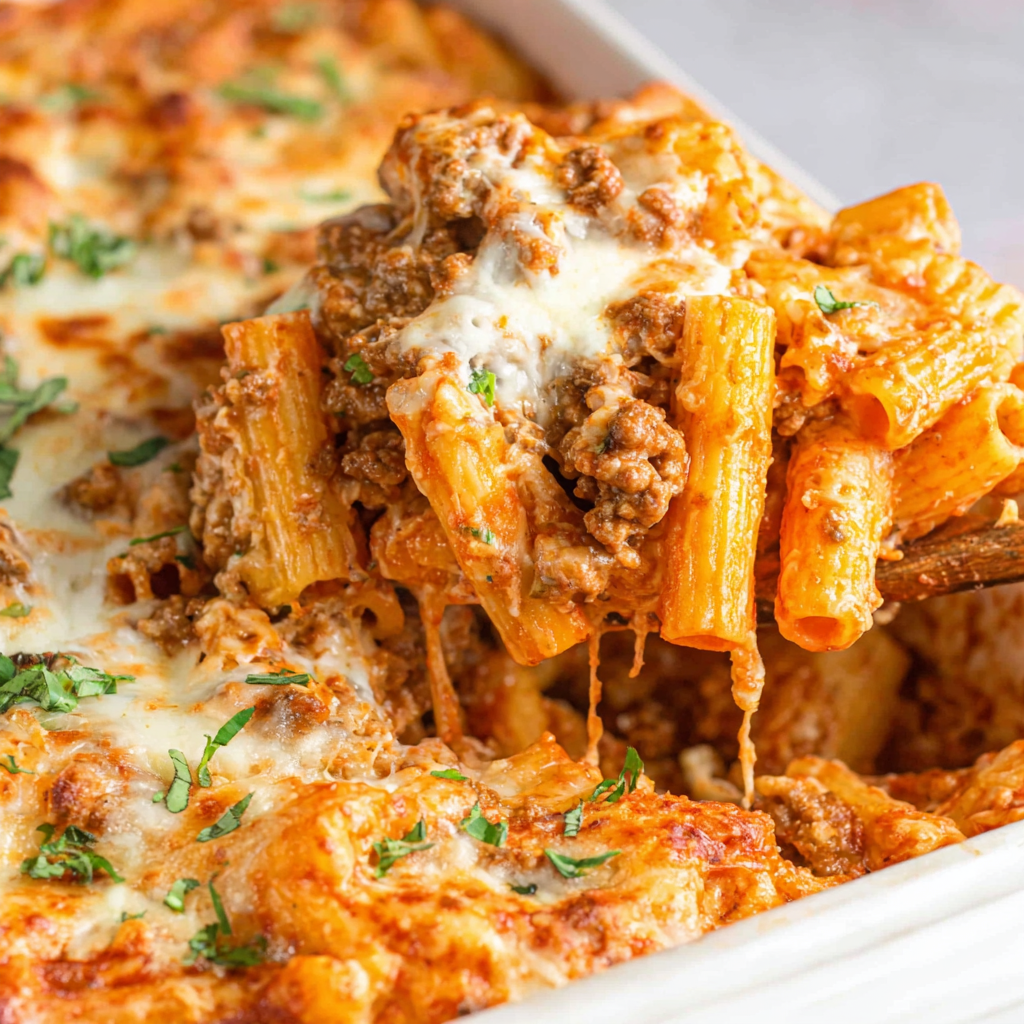
Saucy, cheesy baked ziti with ricotta and basil tastes like lasagna in half the effort, perfect for weeknights or crowds.
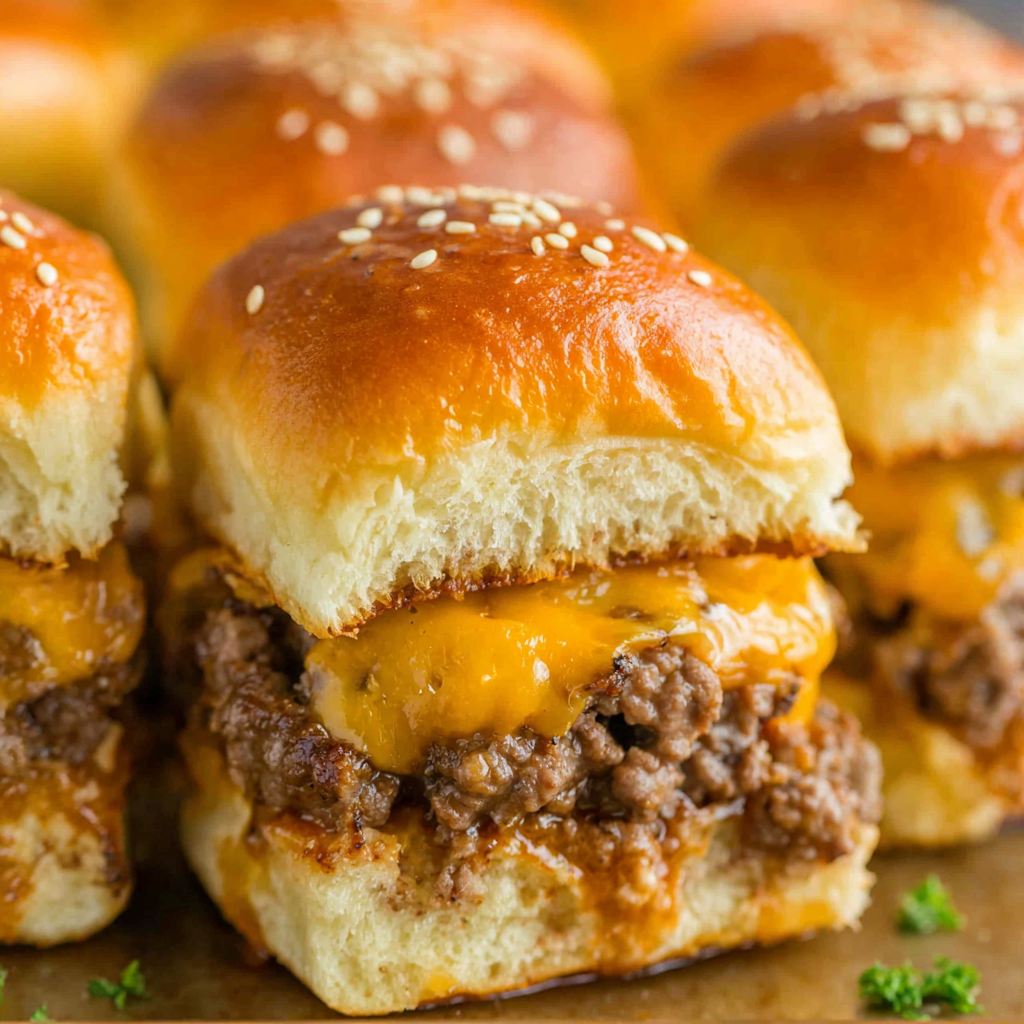
Quick, crowd-pleasing cheeseburger sliders baked golden with melty cheddar and savory beef. Ready in 30 minutes, great for parties and easy meal prep.
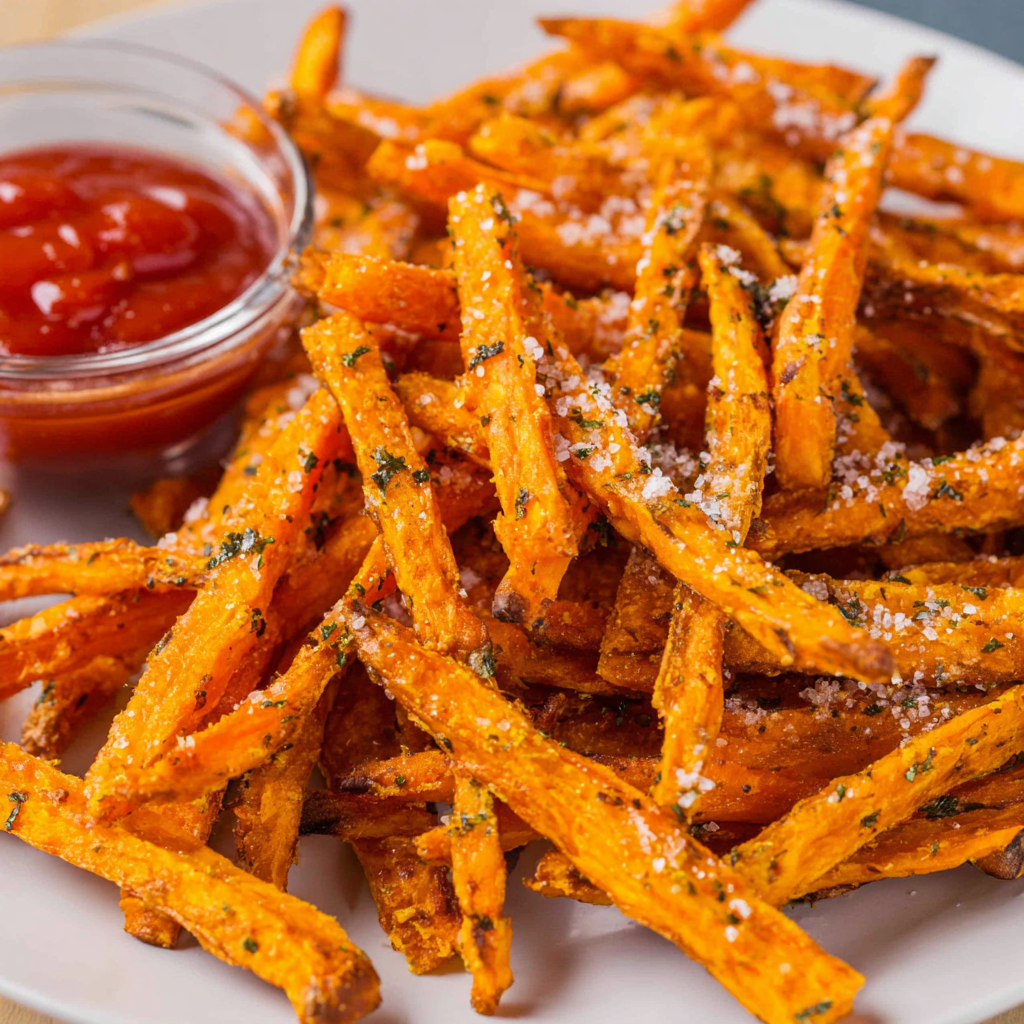
Crispy air fryer sweet potato fries with tender centers, fast-food flavor without deep frying. Ready in minutes and irresistibly snackable.
Leave a comment & rating below or tag @platemint on social media!
Enjoyed this recipe? Share it with friends and family, and don't forget to leave a review!
This recipe looks amazing! Can't wait to try it.
Comments are stored locally in your browser. Server comments are displayed alongside your local comments.

Join to receive our email series which contains a round-up of some of our quick and easy family favorite recipes.