>>

Rich, slightly sweet duck breasts cooked sous vide and finished with a bright orange sauce — fine-dining flavor made surprisingly simple.
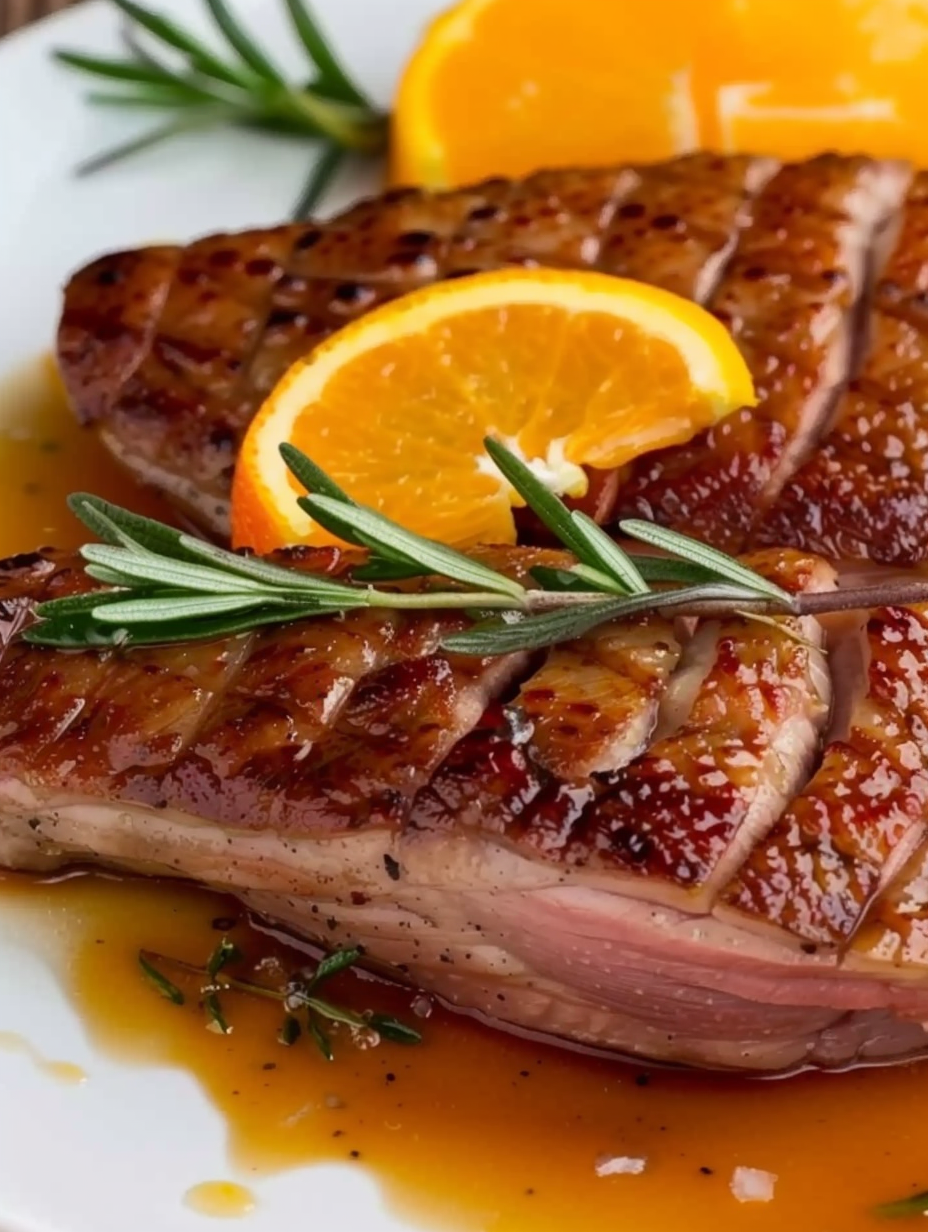
This sous vide duck breast with orange sauce has become one of my favorite dishes to serve when I want something that tastes like a restaurant course but doesn’t demand a full brigade of help. I discovered this combination during a weekend when I wanted to celebrate an anniversary at home: the gentle precision of the water bath produces an evenly cooked, tender breast while a quick pan-sear gives the skin that irresistible crispness. The orange sauce brings a bright, slightly sweet counterpoint that cuts through the richness and ties the plate together.
What makes this preparation special is how straightforward each element is. The vacuum-sealed duck cooks hands-off to the exact doneness you prefer, and the sauce is built right in the same pan that you finish the meat in, using the reserved cooking juices to deepen flavor. The texture contrast — silky interior, crackling skin, and a glossy citrus glaze — is why guests often pause before the first bite. It’s a dish that feels celebratory yet reliably simple when you follow the steps.
In my experience serving this to friends and family, the most common reaction is surprise at how tender and evenly cooked the meat is. I often hear that the orange sauce makes the whole plate feel lifted — one guest declared it ‘‘restaurant-level’’ and asked for the recipe. The method also taught me to keep a few simple tools on hand: a reliable vacuum sealer, an immersion circulator, and a heavy skillet make this dish repeatable and stress-free.
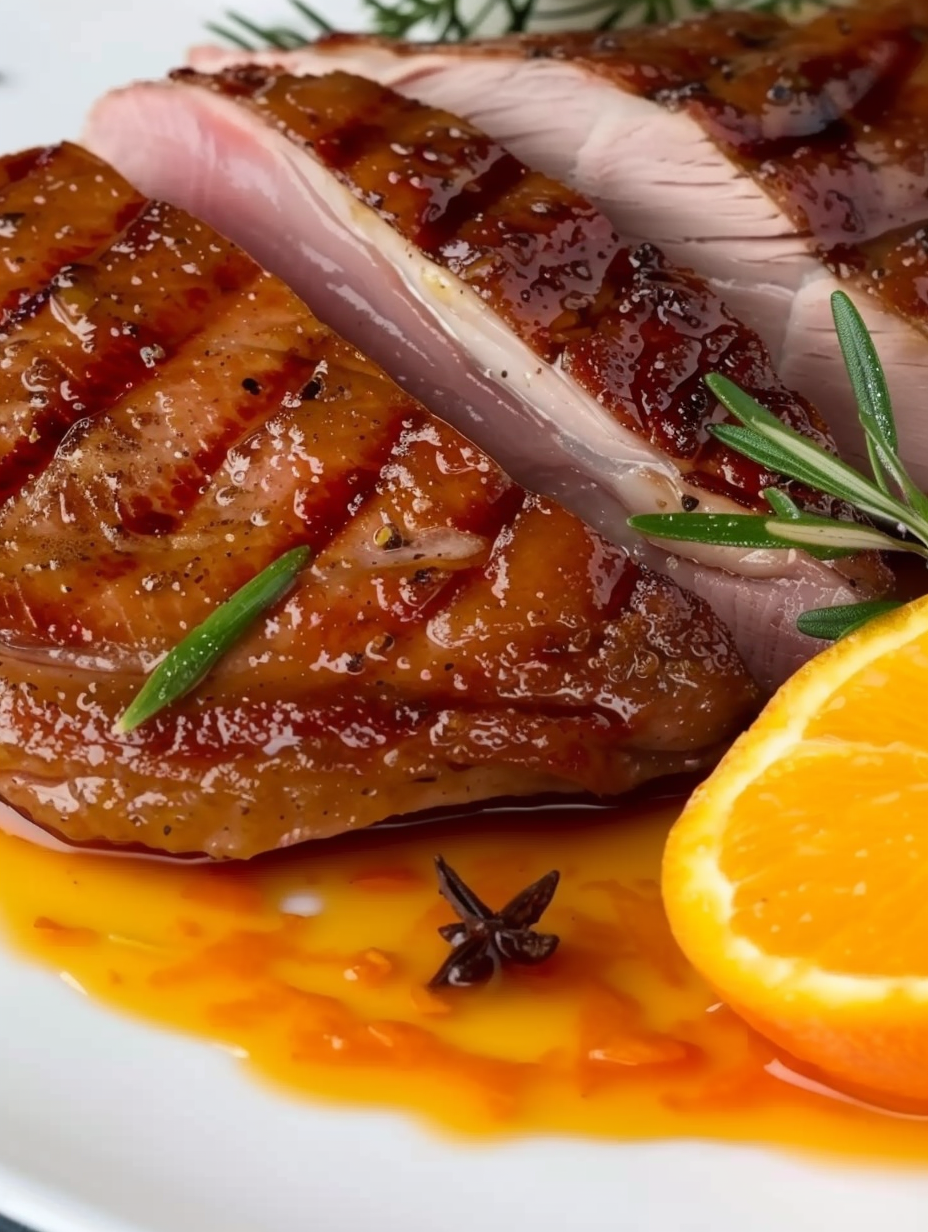
My favorite aspect is how the citrus brightness transforms the plate — it makes a rich protein feel lighter and more elegant. Over the years I’ve served this at small dinner parties and found that guests appreciate the show of a perfectly seared breast paired with a silky citrus glaze. The method also taught me to trust low-and-slow precision: once you try sous vide for duck, you’ll understand why it’s a go-to for predictable results.
Store leftover cooked duck breasts wrapped tightly in plastic wrap or vacuum-sealed bags in the refrigerator for up to 3 days. For longer storage, vacuum-seal and freeze for up to 3 months. When reheating frozen breasts, thaw overnight in the refrigerator and warm gently in a 135°F (57°C) water bath until just warmed through — this preserves moisture and prevents overcooking. Re-crisp the skin in a hot skillet for 30–60 seconds before serving. For the sauce, refrigerate in an airtight container for 2–3 days and reheat gently; if the sauce thickens, loosen with a splash of water or orange juice.
Swap butter in the sauce for a neutral oil like grapeseed if avoiding dairy — finish with a small splash of olive oil for gloss. If duck breasts are unavailable, boneless skin-on duck legs can be adapted but will need longer sous vide times and a separate confit-style finish. For added sweetness or depth, stir in 1 tablespoon of honey or maple syrup. To keep the dish gluten-free, avoid adding soy sauce unless you use a gluten-free variety. For a boozy lift, finish the sauce with 1 tablespoon of orange liqueur such as Grand Marnier or Cointreau and flambé briefly off heat for extra aroma.
Serve sliced breasts over potato gratin, rösti, or buttered spaetzle for a cozy meal, or choose lighter sides like wok vegetables or a peppery watercress salad to balance richness. Garnish with thin orange zest strips and microgreens for color and freshness. For a composed plate, add a smear of parsnip purée or roasted baby carrots glazed with the orange sauce. Pair with medium-bodied red wines like Pinot Noir or Rioja Reserva, or try a slightly chilled Blaufränkisch for a fruit-forward contrast.
This approach blends French classical pairing — duck with citrus — and modern sous vide precision. Classic French traditions pair duck with fruit-based sauces such as orange or cherry to offset the rich meat, a technique familiar in dishes like magret à l'orange. Sous vide, a method popularized in contemporary restaurants, allows home cooks to reproduce consistent results previously reserved for professional kitchens. The fusion of old-world flavor pairing with new-world technique makes this dish approachable yet rooted in culinary history.
In winter, use blood oranges for a deeper color and a slightly tart edge; add a teaspoon of star anise or a slice of ginger when simmering the sauce for warming aromatics. In summer, use navel oranges and finish the sauce with a splash of white wine and fresh chopped basil for brightness. For holiday meals, increase richness with a smear of foie gras butter or a spiced port reduction alongside the orange glaze to create a festive centerpiece.
Schedule sous vide cooking earlier in the day and hold at serving temperature in the water bath for up to an hour. Keep the skins dry and sear only at the last minute to maintain crispness. Portion cooked breasts and vacuum-seal for quick weeknight dinners — reheat in a 135°F (57°C) water bath and pan-sear. Prepare the orange sauce ahead, refrigerate, and warm gently when plating. Assemble sides that reheat well in the oven or on the stovetop so plating is fast when guests arrive.
Sharing this dish has become one of my favorite rituals: it’s reliably beautiful, reliably tasty, and invites conversation at the table. Try it once and you’ll have a new go-to for celebrations and intimate dinners alike.
Pat the duck breast completely dry before searing to ensure the skin crisps rather than steams.
Reserve the cooking juices from the sous vide bag to add concentrated flavor to the sauce.
If you lack a vacuum sealer, use a heavy-duty zip-top bag and the water displacement method to remove air.
Use an immersion circulator set to 151°F for medium doneness; the time window is forgiving.
This nourishing sous vide duck breast in orange sauce recipe is sure to be a staple in your kitchen. Enjoy every moist, high protein slice — it is perfect for breakfast or as a wholesome snack any time.
This Sous Vide Duck Breast in Orange Sauce recipe makes perfectly juicy, tender, and flavorful steak every time! Serve with potatoes and a side salad for an unforgettable dinner in under 30 minutes.
Rinse duck breasts and pat dry. Trim excess sinew and fat, then score the skin in a crosshatch pattern about 1/8 inch deep without cutting into the meat.
Season both sides with kosher salt and pepper. Place breasts in vacuum bag and seal; if using a zip-top bag, use the water displacement method to remove air.
Heat water bath to 151°F for medium or 162°F for well done. Submerge sealed breasts and cook for about 35 minutes, keeping the bag fully submerged.
Remove breasts, reserve juices, and pat meat completely dry. Sear skin-side down in a hot skillet with 1 tablespoon butter until skin is deeply golden and crisp (2–4 minutes), flip briefly to brown the meat side.
Peel and segment the orange, collecting juice. Sauté garlic in 1 tablespoon butter briefly, add orange segments and juice, then stir in reserved cooking juices and simmer briefly. Adjust seasoning and finish with a knob of butter for gloss.
Slice breasts against the grain, arrange on plates with chosen sides, spoon orange sauce over the meat, and serve immediately.
Last Step: Please leave a rating and comment letting us know how you liked this recipe! This helps our business to thrive and continue providing free, high-quality recipes for you.
Leave a comment & rating below or tag
@platemint on social media!
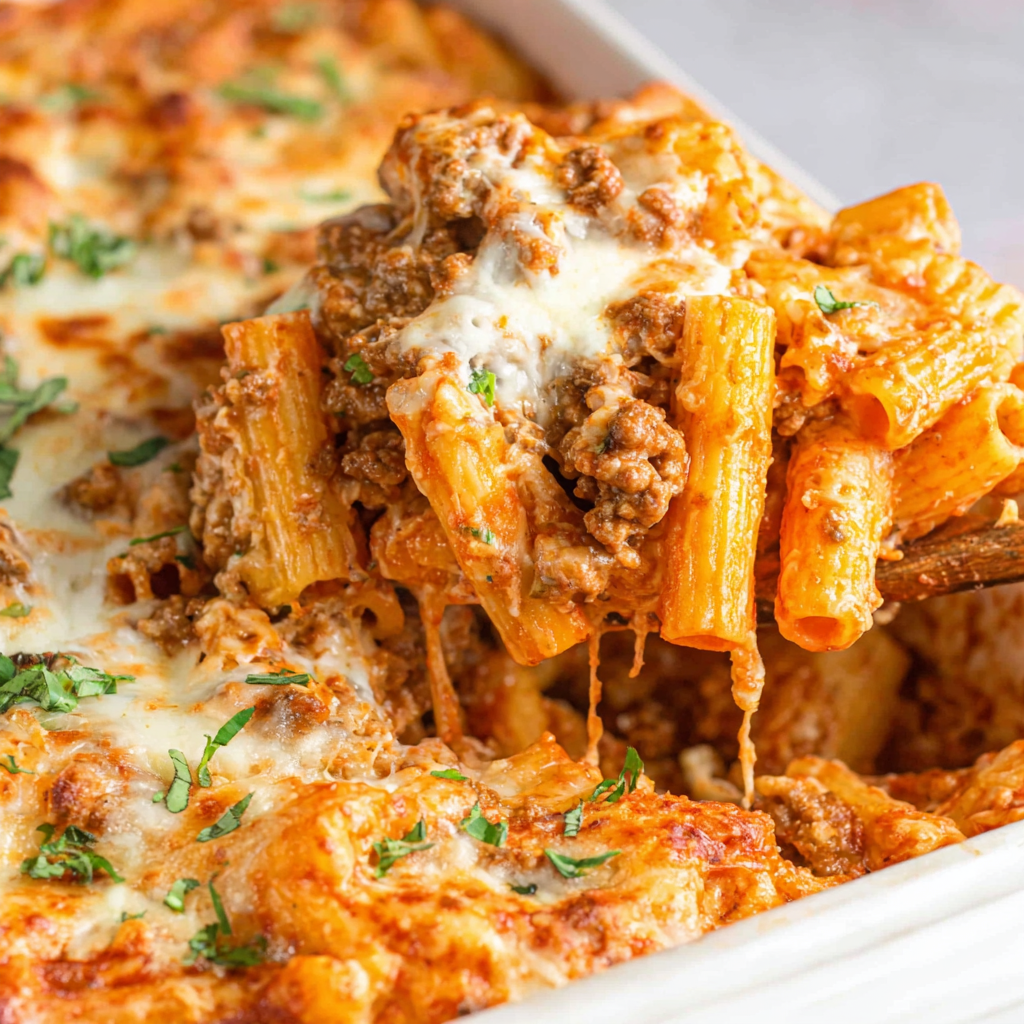
Saucy, cheesy baked ziti with ricotta and basil tastes like lasagna in half the effort, perfect for weeknights or crowds.

Quick, crowd-pleasing cheeseburger sliders baked golden with melty cheddar and savory beef. Ready in 30 minutes, great for parties and easy meal prep.
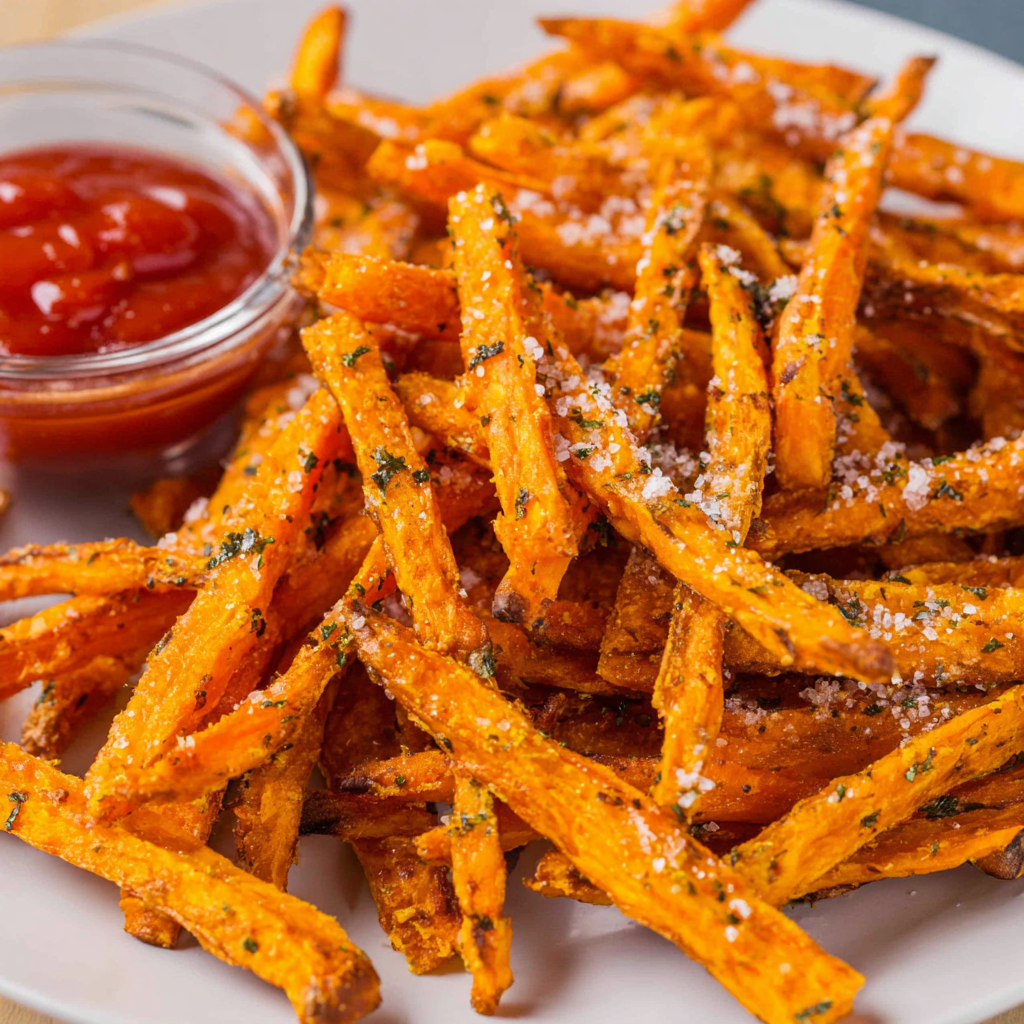
Crispy air fryer sweet potato fries with tender centers, fast-food flavor without deep frying. Ready in minutes and irresistibly snackable.
Leave a comment & rating below or tag @platemint on social media!
Enjoyed this recipe? Share it with friends and family, and don't forget to leave a review!
This recipe looks amazing! Can't wait to try it.
Comments are stored locally in your browser. Server comments are displayed alongside your local comments.

Join to receive our email series which contains a round-up of some of our quick and easy family favorite recipes.