>>

Thick, glossy noodles tossed with juicy chicken, sweet prawns, and crisp greens in a deeply savory sauce that delivers pure wok-kissed comfort.
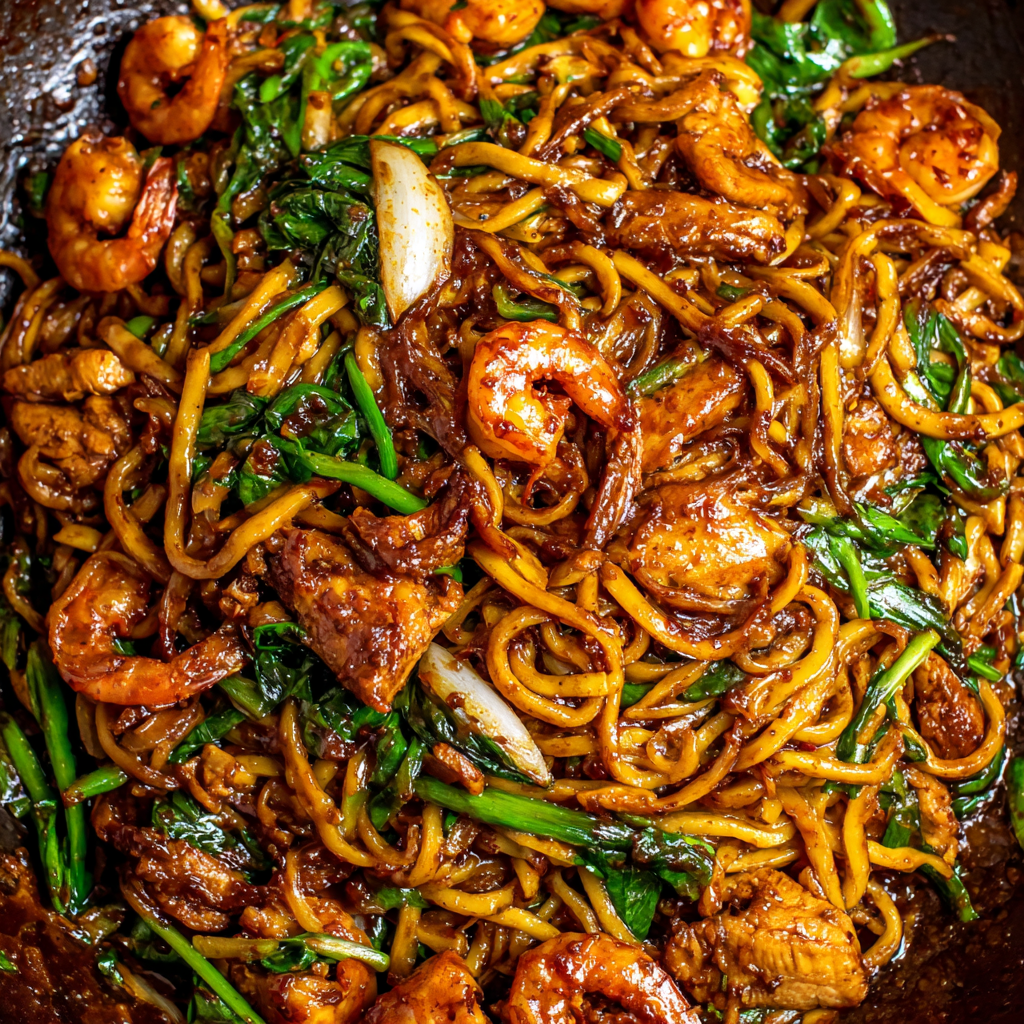
I make this Malaysian Hokkien Mee when I crave a bowl of noodles with real attitude: smoky edges, glossy sauce, and that irresistible mix of savory, sweet, and umami. I first fell for it at a late-night hawker stall where the air practically hummed with the scent of caramelized soy and garlic. The wok flames danced higher than I thought possible, and one bite convinced me to chase that same flavor at home. Over time, I learned that you don’t need a restaurant-sized burner to get close—just a very hot pan, confidence, and a few smart moves.
What makes this version special is its balanced sauce and quick-cook sequence. The noodles drink up a mix of dark soy, light soy, a hint of kecap manis, and oyster sauce, thickened just enough to cling without turning heavy. Chicken thighs bring succulence, prawns add a briny snap, and the vegetables stay bright and crisp. I remember serving this to my family on a rainy Friday; we ate right from oversized bowls with lime squeezed over the top and a dab of sambal on the side. The table went quiet in the happiest way—always a good sign when noodles are involved.
Every time I make this, I’m reminded that simple techniques make the biggest difference. Preheating the wok thoroughly, drying the proteins, and tossing the noodles with confidence gives you that coveted sheen and a whisper of smokiness. My family loves the squeeze of lime over the top, which brightens every bite.
My favorite part is the first toss when the sauce hits the hot wok and turns shiny in seconds. It reminds me of late-night stalls where cooks move with instinct rather than timers. When I serve this with extra lime and a dab of sambal, everyone leans in, and the steam carries that heady soy-garlic aroma across the table.
Hokkien Mee is at its best straight from the wok, but leftovers can be stored in an airtight container in the refrigerator for up to 2 days. Cool quickly before sealing to preserve texture. Reheat in a hot skillet with a drizzle of water, tossing until warmed through and glossy again. Avoid microwaving for too long, which softens the noodles. If freezing is necessary, portion into freezer-safe containers, press out excess air, and freeze for up to 1 month. Reheat from thawed on the stovetop, adding a splash of water and a touch of soy to refresh the flavor.
If fresh yellow egg noodles are unavailable, use thick lo mein or fresh udon; aim for about 7 ounces. For chicken, swap in pork shoulder or firm tofu; marinate tofu with 1 teaspoon soy and 1/2 teaspoon cornstarch for better browning. If you do not have kecap manis, combine 1 teaspoon light soy with 1/2 teaspoon brown sugar and a tiny pinch of molasses. Oyster sauce can be replaced with vegetarian oyster (mushroom) sauce for a pescatarian-leaning version. Bok choy can be swapped with napa cabbage or choy sum, using the same volume. Always taste and adjust soy levels, especially if using a saltier brand.
Serve this noodle bowl steaming hot with lime wedges, a spoon of sambal, and plenty of chopped spring onions. For a fuller spread, pair with quick stir-fried greens, a simple cucumber salad, or crispy fried shallots as a garnish. On cooler nights, I like to add a light broth-based soup for contrast. For a casual gathering, set out extra condiments—chili oil, black vinegar, and toasted sesame seeds—so everyone can customize their bowl. A cold, bubbly drink or iced tea balances the richness beautifully.
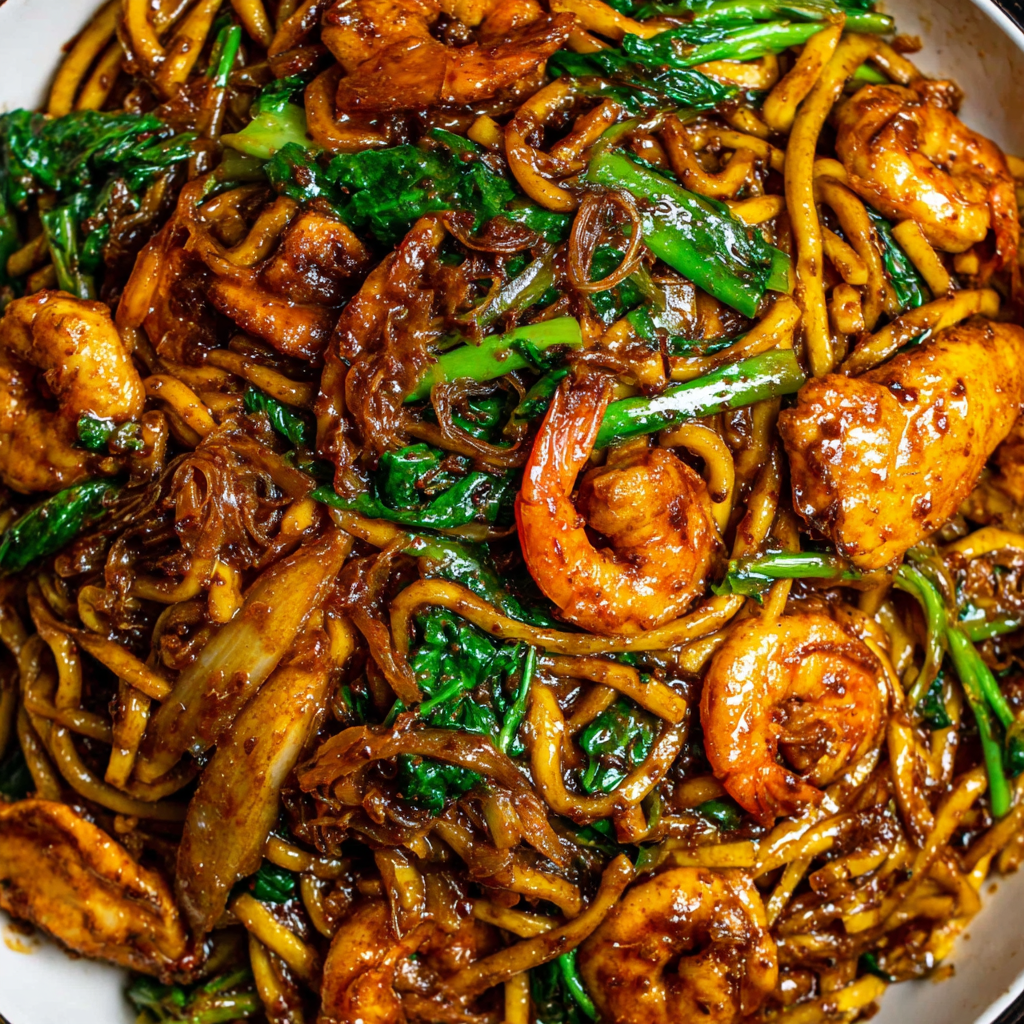
Malaysian Hokkien Mee traces back to Chinese Hokkien immigrants and evolved in Kuala Lumpur’s bustling hawker culture. The KL style is known for its thick yellow noodles, deep soy color, and contrast of chewy noodles with crisp veggies. The defining characteristic is wok hei, the elusive breath of the wok, created by high heat and quick movement. While regional variations exist—some wetter, some drier—this version strikes a middle ground with a glossy, clingy sauce rather than a broth. Eating it late at night at a stall feels like a rite of passage for noodle lovers.
In spring, add tender asparagus tips or snap peas for a fresh crunch. Summer loves extra bean sprouts and quick-cooked bell peppers. Come fall, thin-sliced cabbage or baby kale adds heartiness without losing lift. In winter, mushrooms like shiitake or oyster bring earthy depth. For holidays, lay prawns on top for a festive flourish and finish with fried shallots. If you crave spice, stir a teaspoon of sambal into the sauce, or keep it mild and let each person add heat at the table.
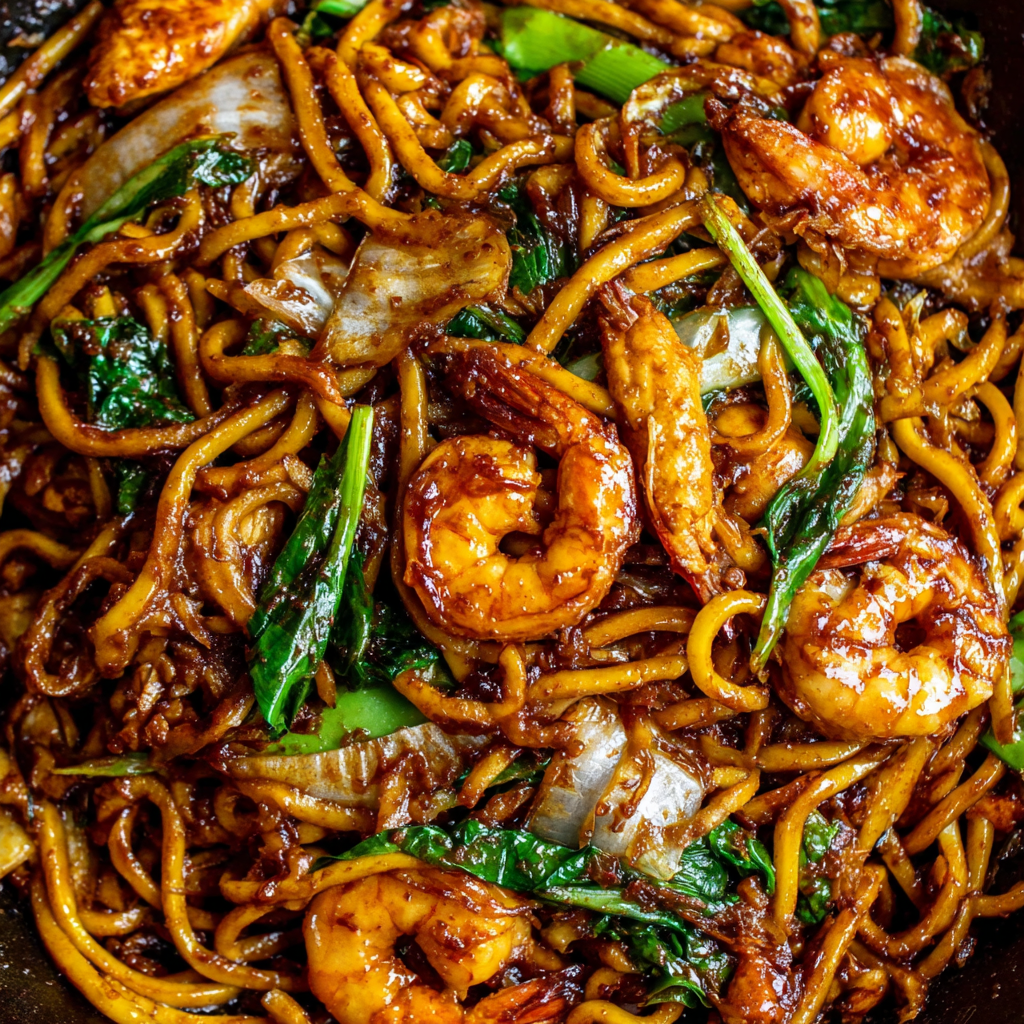
For smooth weeknights, slice the chicken and mix the sauce up to 24 hours ahead, storing both covered in the refrigerator. Wash and chop vegetables, then wrap in paper towels to keep them dry and crisp. Noodles should be loosened just before cooking to avoid sticking. When reheating leftovers, use a hot skillet and a tablespoon of water to revive the sauce; add a splash of soy if needed. If doubling the batch, cook proteins in two rounds to keep the wok hot and the sear strong, then combine everything at the end.
When a cozy, satisfying dinner is calling, this Hokkien Mee delivers fast. Grab your wok, heat it confidently, and watch the sauce turn into a glossy coat as the noodles take on that irresistible shine. It is the kind of dish that turns a regular night into something special.
Preheat the wok until it just smokes to prevent sticking and boost caramelization.
Pat chicken and prawns dry for better browning and less splatter.
Keep the sauce mixed and nearby so you can add it the moment noodles hit the wok.
Add sprouts at the end for juicy crunch.
Taste and adjust with a pinch of sugar or a splash of soy to balance salt and sweetness.
This nourishing smoky malaysian hokkien mee recipe is sure to be a staple in your kitchen. Enjoy every moist, high protein slice — it is perfect for breakfast or as a wholesome snack any time.
Use fresh yellow egg noodles if possible. If not, choose thick lo mein or fresh udon. Loosen noodles in warm water, then drain thoroughly before stir-frying.
Yes. Mix the sauce in advance and refrigerate for up to 48 hours. Slice proteins and prep vegetables up to 24 hours ahead to save time.
Use a very hot wok or large skillet, cook in small batches, and keep ingredients dry. Avoid overcrowding and keep the food moving.
Yes, but the texture is best fresh. Refrigerate up to 2 days in an airtight container and reheat in a hot skillet with a splash of water.
Replace prawns with more chicken or firm tofu, and use vegetarian mushroom oyster sauce to keep the umami depth.
This Smoky Malaysian Hokkien Mee recipe makes perfectly juicy, tender, and flavorful steak every time! Serve with potatoes and a side salad for an unforgettable dinner in under 30 minutes.
Combine dark soy, kecap manis, light soy, oyster sauce, cornstarch, and water until smooth. Rinse and loosen noodles, then drain. Pat chicken and prawns dry. Keep onion, garlic, bok choy, and sprouts within reach.
Set a wok over high heat until lightly smoking, 2 to 3 minutes. Add oil and swirl to coat.
Stir-fry chicken in a single layer, letting it sear before tossing, about 2 minutes until cooked through. Remove if crowded.
Stir-fry prawns until just pink, 60 to 90 seconds. Add onion and garlic; cook until fragrant, 30 to 45 seconds.
Return chicken, add noodles, and pour in sauce. Toss vigorously until coated and glossy, 1 to 2 minutes. Add a splash of water if dry.
Add bok choy stems, then leaves and bean sprouts. Stir-fry 60 to 90 seconds until crisp-tender. Serve hot with spring onions, lime, and sambal.
Last Step: Please leave a rating and comment letting us know how you liked this recipe! This helps our business to thrive and continue providing free, high-quality recipes for you.
Leave a comment & rating below or tag
@platemint on social media!
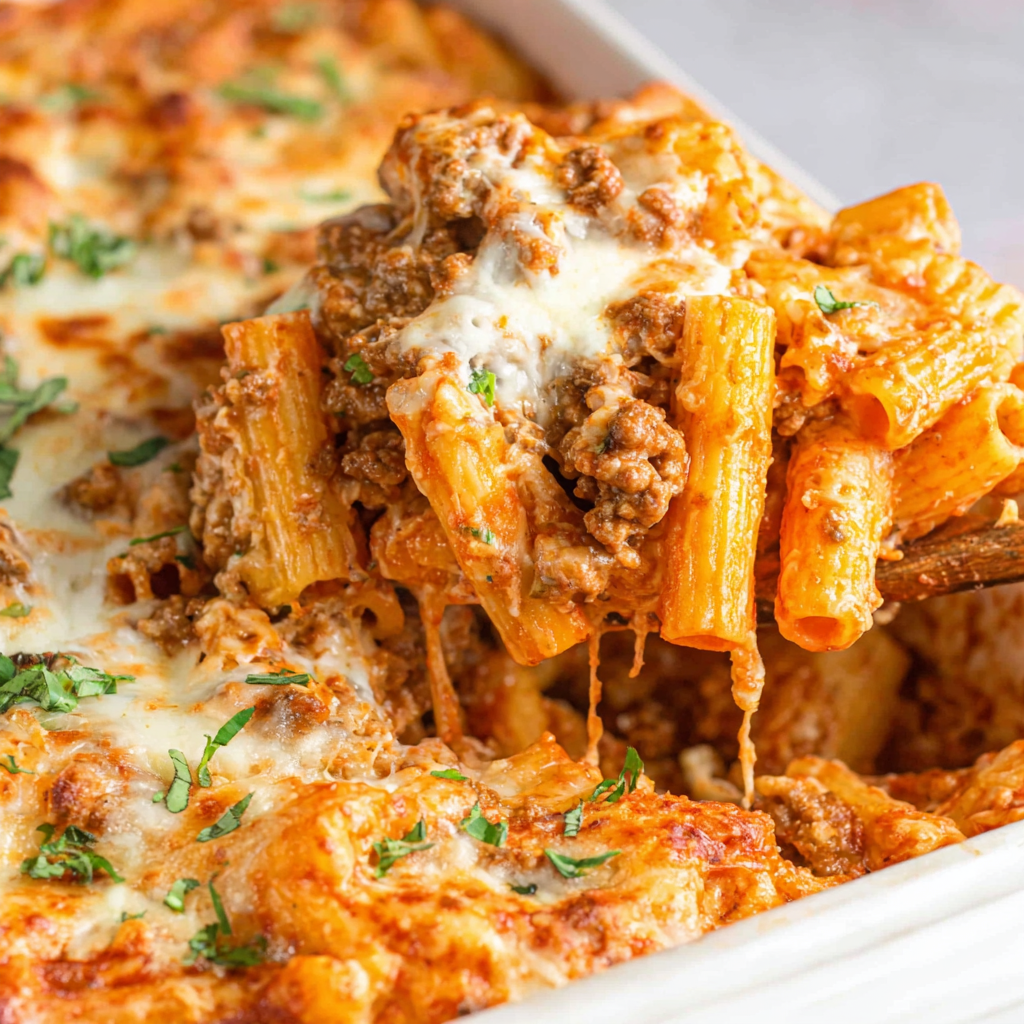
Saucy, cheesy baked ziti with ricotta and basil tastes like lasagna in half the effort, perfect for weeknights or crowds.
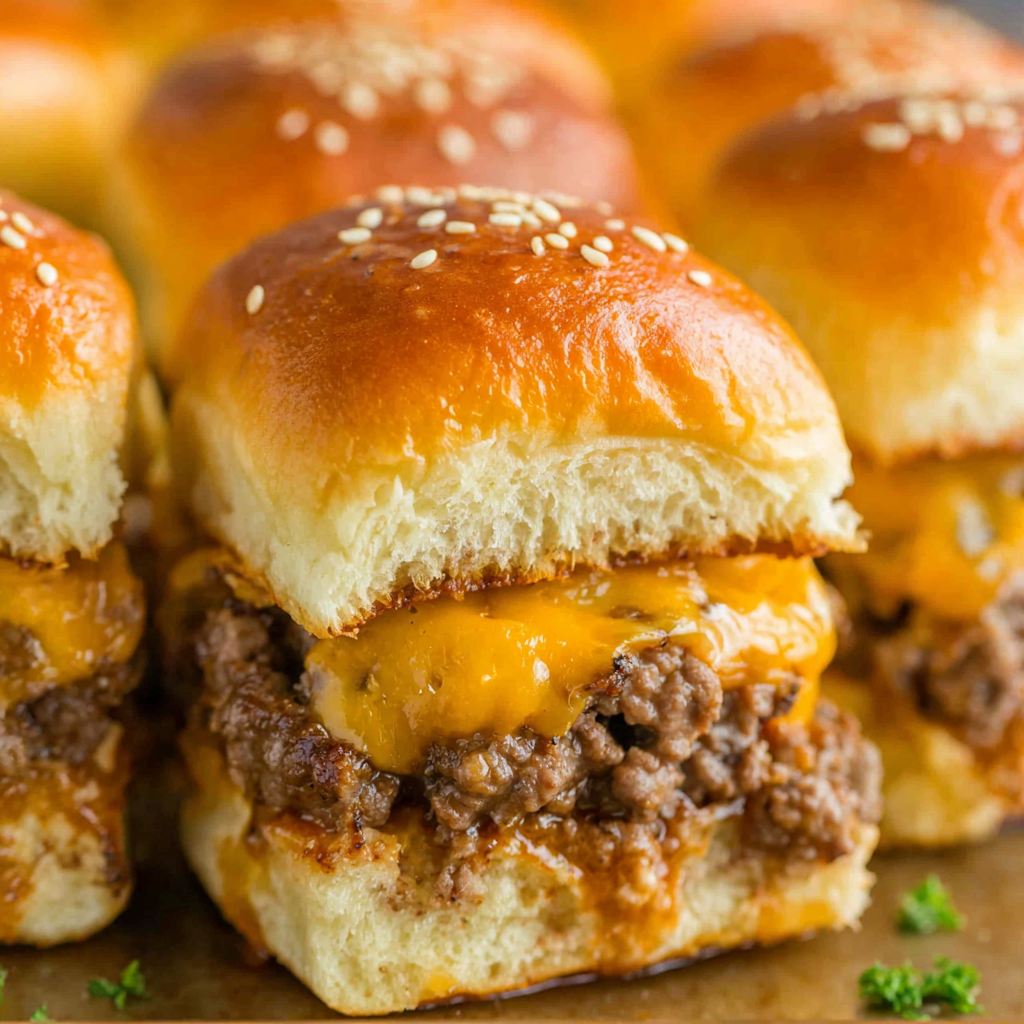
Quick, crowd-pleasing cheeseburger sliders baked golden with melty cheddar and savory beef. Ready in 30 minutes, great for parties and easy meal prep.
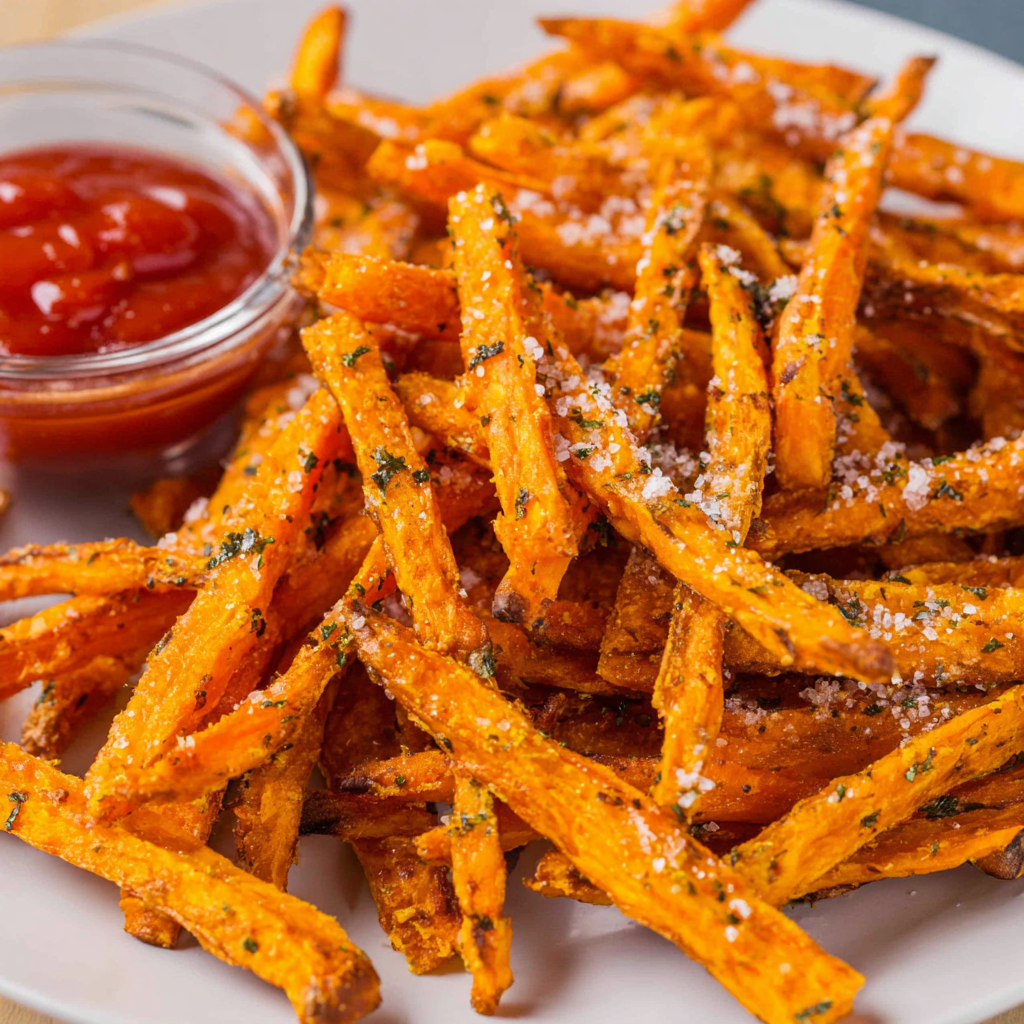
Crispy air fryer sweet potato fries with tender centers, fast-food flavor without deep frying. Ready in minutes and irresistibly snackable.
Leave a comment & rating below or tag @platemint on social media!
Enjoyed this recipe? Share it with friends and family, and don't forget to leave a review!
This recipe looks amazing! Can't wait to try it.
Comments are stored locally in your browser. Server comments are displayed alongside your local comments.

Join to receive our email series which contains a round-up of some of our quick and easy family favorite recipes.