
Butternut Squash Pasta Sauce

A creamy, savory butternut squash sauce with fresh sage, nutmeg, and Parmesan. Roasted to bring out natural sweetness, brightened with lemon, and perfect for freezing.
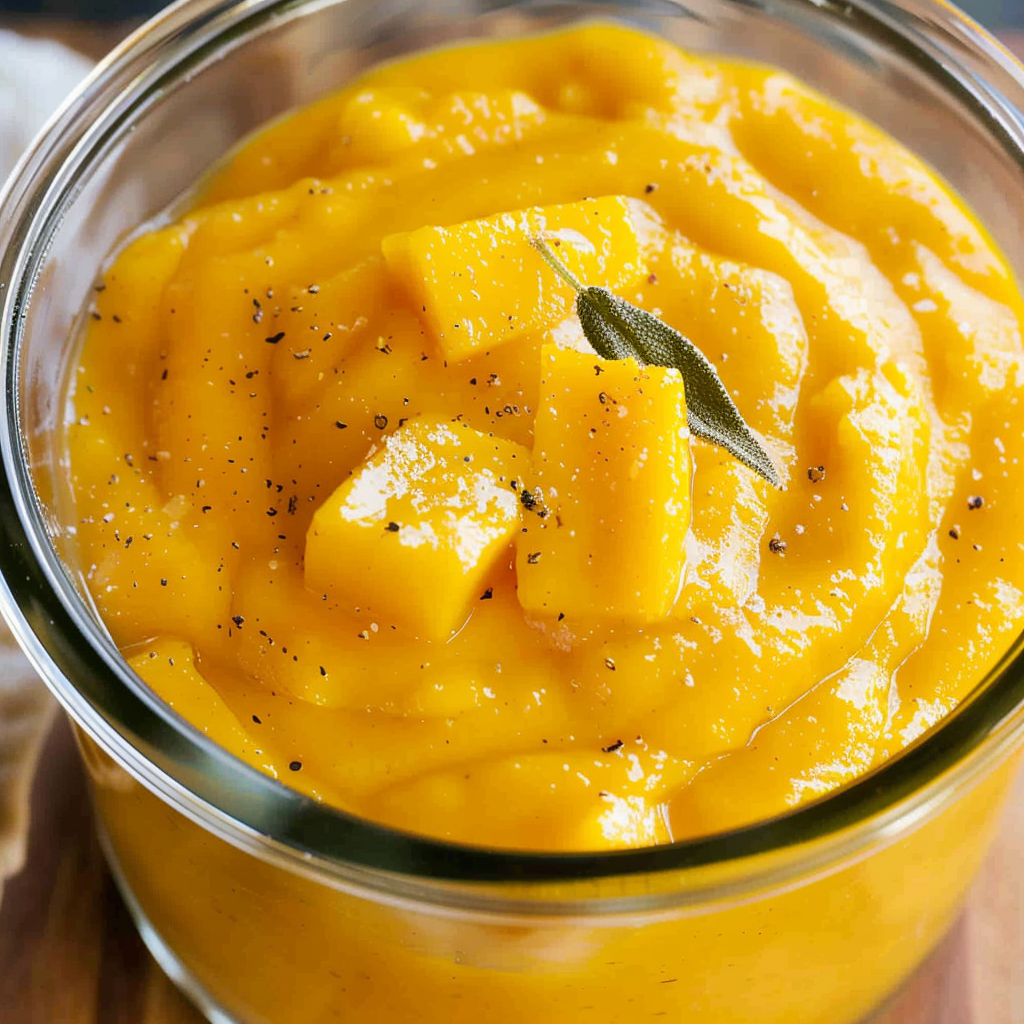
Why You'll Love This Recipe
- Roasting concentrates the squash flavor so you get deep caramel notes without added sugar, making this sauce naturally balanced and comforting.
- Ready in about 55 minutes from start to finish, with only 20 minutes active prep, so it is ideal for a weekend batch or a weekday splurge.
- Uses pantry friendly ingredients and simple tools, yet delivers a complex result thanks to sage, nutmeg, and a splash of lemon.
- Makes approximately 5 cups, enough to dress one and a half to two pounds of pasta, and freezes well in portioned jars for up to four months.
- Versatile for dietary needs, naturally gluten free, and easy to make vegetarian or vegan by swapping Parmesan for a nutritional yeast blend.
- Great for meal prep, works as a sauce, a comforting soup base, or a spread on toast for a seasonal snack.
I remember the first time I served this to a skeptical teenager who declared they did not like squash. They ate it with a big grin and asked for more. Family reactions tend to follow that pattern. It feels like an elegant sauce, but it is forgiving and straightforward enough that you can relax while it roasts in the oven.
Ingredients
- Butternut squash: Use 2 and a half pounds, peeled, seeded, and cut into 3/4 inch pieces. Choose firm squash with a matte skin, not shriveled, for sweetest roasted flavor.
- Garlic: Three cloves, left whole and peeled. Roasting mellows garlic into a creamy, buttery note that blends into the sauce without sharpness.
- Onion: One small onion, roughly chopped to about one cup. Yellow onion offers a balanced sweetness, while sweet onion will make the sauce milder.
- Extra virgin olive oil: Two tablespoons, good quality, fruity but not overpowering. I like a Mediterranean style olive oil for its peppery finish.
- Fresh sage: One tablespoon chopped. Sage adds a woodsy aroma that complements roasted squash better than thyme for this flavor profile.
- Seasonings: One teaspoon kosher salt, one half teaspoon black pepper, one half teaspoon ground nutmeg. These keep the sauce savory and warm without masking the squash.
- Broth: One and one quarter cups chicken stock or vegetable broth. Use low sodium if you want tighter control over final salt.
- Parmesan cheese: One third cup grated. A nutty, aged Parmesan deepens the umami and balances the natural sweetness.
- Lemon juice: One tablespoon fresh. Just enough to lift the flavors and keep the sauce from feeling heavy.
Instructions
Get ready Preheat the oven to 400 degrees Fahrenheit. Line a rimmed baking sheet with parchment or a thin layer of oil. Peel and seed the squash, then cut into uniform 3/4 inch pieces so they roast evenly. Rough chop the onion and peel the garlic, but leave cloves whole so they roast to a sweet creaminess. Roast the squash On the prepared sheet, toss the squash, garlic, and onion with two tablespoons olive oil, one tablespoon chopped sage, one teaspoon kosher salt, one half teaspoon black pepper, and one half teaspoon ground nutmeg until evenly coated. Spread in a single layer and roast for about 35 minutes, or until the squash is tender and the edges are lightly browned. Visual cues are soft squash with some caramelized color, and garlic that yields when pressed. Make the sauce Transfer the roasted vegetables in batches to a blender or processor. Add one and one quarter cups broth, one third cup grated Parmesan, and one tablespoon lemon juice. Blend until completely smooth and creamy, scraping down sides as needed. If the sauce is too thick for your taste, add additional broth one tablespoon at a time. Use or store Toss with cooked pasta and a splash of reserved pasta water to reach a silky coating, or cool completely and store in an airtight container in the refrigerator for up to four days. For long term keeping, freeze in portioned containers for up to four months. Reheat gently on the stovetop with a bit of liquid to loosen if needed.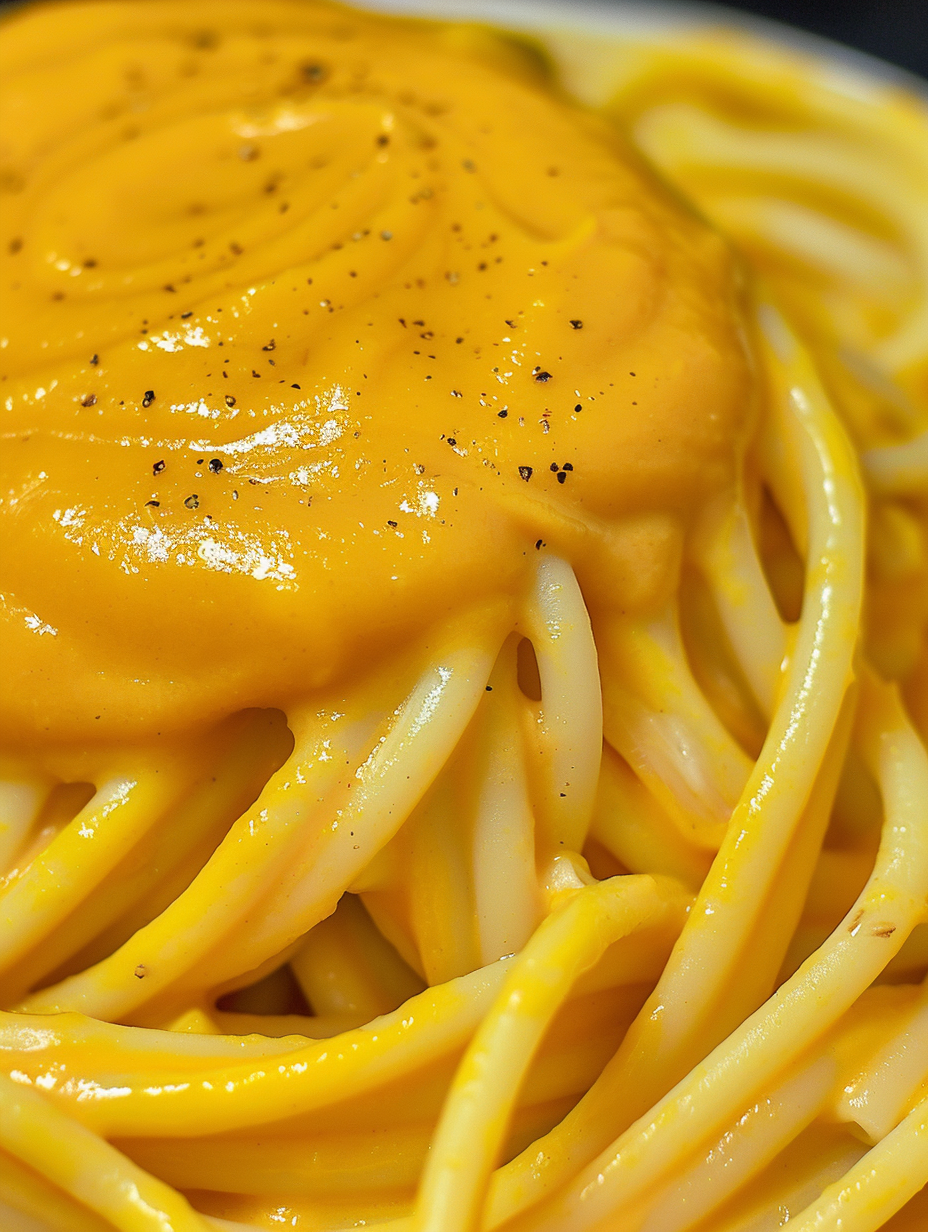
You Must Know
- This yields about five cups of sauce, enough for one and a half to two pounds of pasta depending on how heavy you like your coating.
- Store in the refrigerator for up to four days, or freeze in portions for up to four months. It is not safe for shelf stable canning.
- To keep the sauce dairy free, replace Parmesan with two tablespoons of nutritional yeast and add a teaspoon of miso for umami.
- This dish is naturally gluten free. Use gluten free pasta to keep the whole meal free of gluten.
My favorite part of this sauce is how it changes texture and flavor when reheated. After a day in the fridge, the flavors meld and the nutmeg and sage become more pronounced. Friends have told me they use it as a spread on warm toasted bread or as a base for a roasted vegetable bowl, showing how adaptable a simple batch can become.
Storage Tips
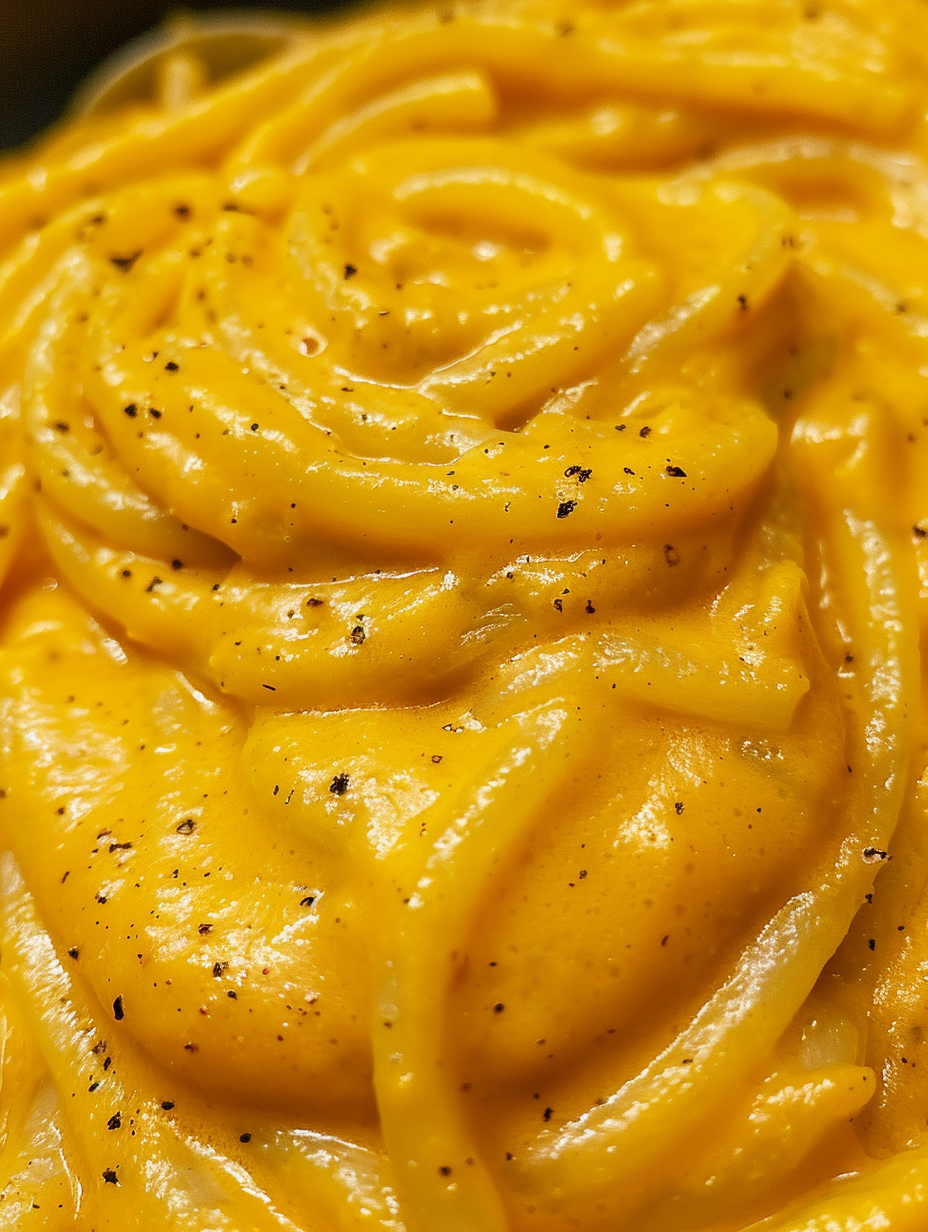
Cool the sauce completely before transferring to containers. For refrigerator storage use airtight glass jars or BPA free food containers and leave a half inch of headspace. Keep in the fridge up to four days. For freezing, portion into one cup or two cup containers for easy thawing and long term convenience. Freeze for up to four months. When reheating, warm slowly over low heat and stir in a tablespoon or two of water or broth to regain a silky texture. Microwaving works in short bursts with stirring to avoid hot spots.
Ingredient Substitutions
If you prefer a dairy free version, swap the Parmesan for nutritional yeast and add one teaspoon white miso to emulate depth. For a vegan broth use vegetable stock instead of chicken. Swap fresh sage with one teaspoon dried sage, but reduce quantity since dried herbs are more concentrated. If you want extra creaminess without dairy, stir in two to three tablespoons of canned coconut milk at the blending stage for a lush mouthfeel and hint of tropical richness.
Serving Suggestions
Toss the sauce with your favorite pasta shape, especially tubes or ribbons that catch the sauce. Add toasted walnuts and extra grated Parmesan on top for texture. For a main course, serve with a crisp green salad dressed in lemon and olive oil and a warm crusty bread. This sauce also makes a cozy soup base by thinning with more broth and topping with toasted seeds and a drizzle of olive oil.
Cultural Background
While not strictly traditional, this preparation borrows from Mediterranean techniques of roasting vegetables and finishing with olive oil, lemon, and cheese. The use of sage and nutmeg reflects classic pairings found in Southern European autumn cooking where squash and aromatic herbs celebrate the harvest. It feels like a bridge between rustic home cooking and the creamy sauces of Italian inspired cuisine.
Seasonal Adaptations
In fall and winter highlight the roast by adding a teaspoon of maple syrup if your squash is under ripe. In spring use a lighter touch with fresh lemon zest and swap sage for basil for a brighter profile. For holiday meals add toasted pine nuts and scatter microgreens on top to make the sauce feel festive and special.
Meal Prep Tips
Make a double batch and freeze in one cup portions that serve a single family meal. Label with date and use within four months for best flavor. When assembling lunches, pair a warmed portion with quick boiled pasta and a side of roasted Brussels sprouts. Invest in stackable freezer containers to save space and speed up weeknight dinners.
This sauce is one of those small kitchen triumphs that turns humble ingredients into something memorable. Invite friends over, tell them it took minutes, and enjoy the compliment when they ask for the recipe. It is simple, forgiving, and endlessly adaptable, so make it your own and keep a jar in the freezer for nights when you want something both homey and elegant.
Pro Tips
Cut squash into uniformly sized pieces to ensure even roasting.
Reserve a half cup of pasta cooking water to thin the sauce and help it cling to noodles.
Use fresh lemon juice at the end to brighten the sauce and avoid bitterness from overcooking.
This nourishing butternut squash pasta sauce recipe is sure to be a staple in your kitchen. Enjoy every moist, high protein slice — it is perfect for breakfast or as a wholesome snack any time.
FAQs about Recipes
Can I freeze this sauce?
Yes, cool completely then freeze in airtight containers for up to four months. Thaw overnight in the refrigerator before reheating gently.
How do I serve this with pasta for best texture?
Yes, use toasted walnuts or pine nuts for crunch. Add a few tablespoons of reserved pasta water when tossing to loosen texture.
Tags
Butternut Squash Pasta Sauce
This Butternut Squash Pasta Sauce recipe makes perfectly juicy, tender, and flavorful steak every time! Serve with potatoes and a side salad for an unforgettable dinner in under 30 minutes.
Instructions
Get ready
Preheat oven to 400 degrees Fahrenheit. Prepare a rimmed baking sheet. Peel and seed the squash and cut into uniform 3/4 inch pieces. Rough chop the onion and peel the garlic.
Roast the squash
Toss squash, garlic, and onion with olive oil, sage, salt, pepper, and nutmeg. Spread in a single layer and roast until tender and lightly browned, about 35 minutes.
Make the sauce
Blend the roasted vegetables with chicken stock, Parmesan, and lemon juice until smooth. Adjust thickness with additional stock if needed and taste for seasoning.
Use or store
Toss with cooked pasta and reserved pasta water to reach a silky coating. Cool completely before refrigerating for up to four days or freezing for up to four months.
Last Step: Please leave a rating and comment letting us know how you liked this recipe! This helps our business to thrive and continue providing free, high-quality recipes for you.
Nutrition
Did You Make This?
Leave a comment & rating below or tag
@platemint on social media!
Categories:
You might also like...
Cheesy Baked Ziti Casserole
Saucy, cheesy baked ziti with ricotta and basil tastes like lasagna in half the effort, perfect for weeknights or crowds.

Juicy Cheeseburger Sliders Bake
Quick, crowd-pleasing cheeseburger sliders baked golden with melty cheddar and savory beef. Ready in 30 minutes, great for parties and easy meal prep.
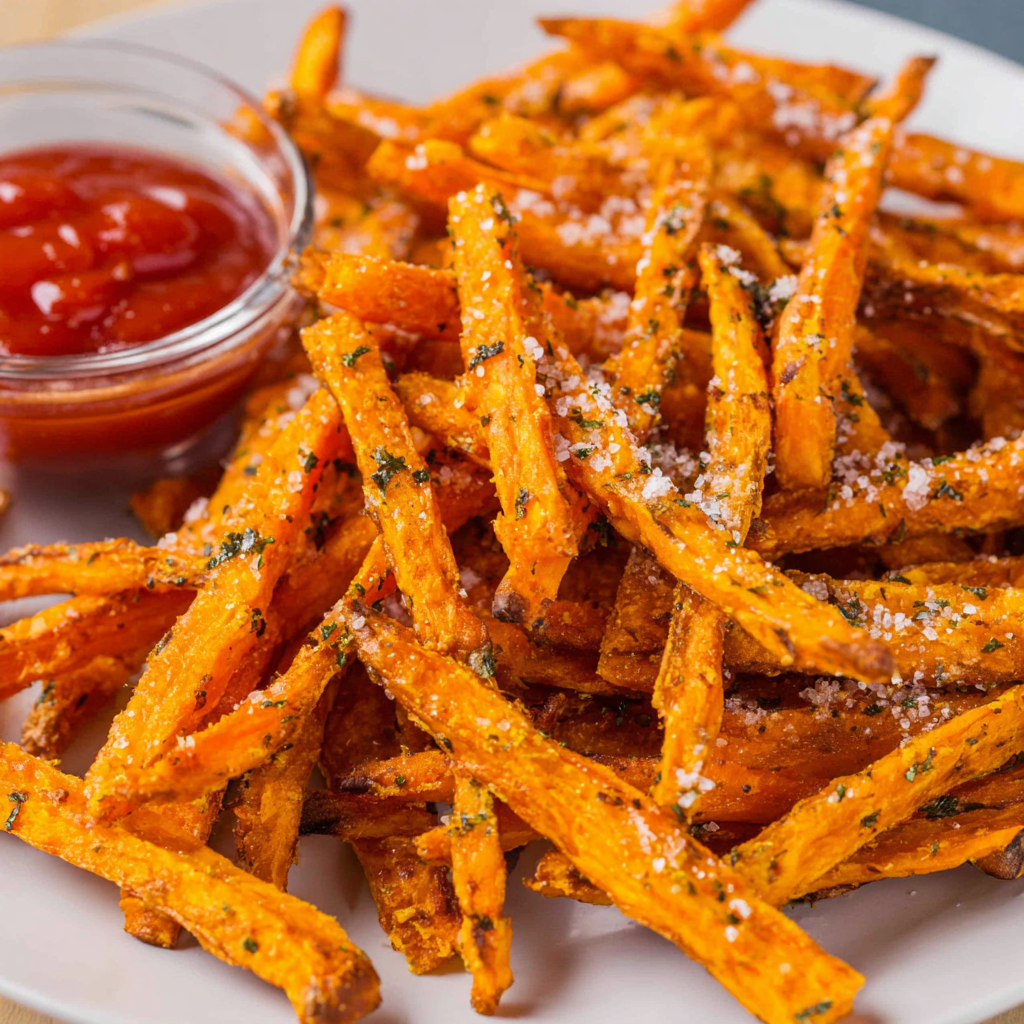
Air Fryer Sweet Potato Fries
Crispy air fryer sweet potato fries with tender centers, fast-food flavor without deep frying. Ready in minutes and irresistibly snackable.
Did You Make This?
Leave a comment & rating below or tag @platemint on social media!
Rate This Recipe
Share This Recipe
Enjoyed this recipe? Share it with friends and family, and don't forget to leave a review!
Comments (1)
This recipe looks amazing! Can't wait to try it.
Comments are stored locally in your browser. Server comments are displayed alongside your local comments.

Hi, I'm Wendie!
What's Popular
30-Minute Meals!
Join to receive our email series which contains a round-up of some of our quick and easy family favorite recipes.