
30-Minute Garlic Ginger Glazed Salmon (Gluten Free!)

A quick, pantry-friendly salmon that’s glazed in a garlicky-ginger sauce — naturally sweetened, gluten free, and ready in 30 minutes for a weekday win.
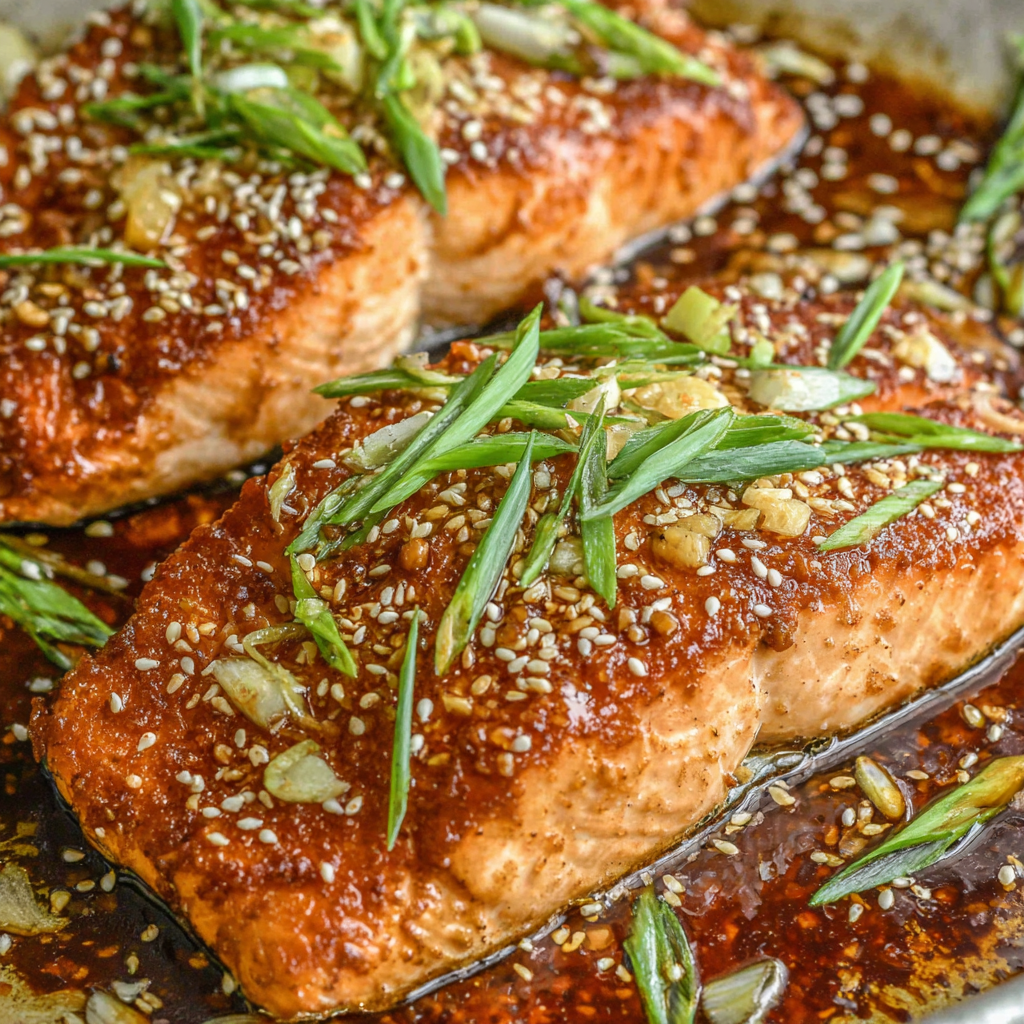
This 30-minute garlic ginger glazed salmon is the new easy salmon recipe you need in your weekly rotation. I first developed this version on a busy weeknight when I had a center-cut piece of salmon and only pantry staples on hand; it quickly became our uncomplicated, flavorful dinner that feels special without any fuss. The glaze balances savory coconut aminos with a touch of honey, bright rice vinegar, and fresh aromatics — garlic and ginger — producing a shiny, slightly caramelized finish that pairs beautifully with simple sides. There’s no marinade time required, so the whole process from prep to table is efficient and forgiving.
What makes this approach so reliable is its focus on timing and texture: a short bake to cook gently through, then a high-heat finish to caramelize the glaze and concentrate the flavors. I love how the fish stays tender and moist while picking up a light crisp at the edges. This recipe serves two as written but scales easily; I often double it for a small family dinner. Because the sauce uses coconut aminos or gluten-free tamari and honey for sweetness, it’s naturally gluten free and soy-free if you choose coconut aminos, and it avoids refined sugars when you prefer honey.
Why You'll Love This Recipe
- Fast: Ready in about 30 minutes from start to finish — perfect for busy weeknights when you want something impressive with minimal hands-on time.
- Minimal ingredients: Uses pantry staples like coconut aminos, sesame oil, honey, rice vinegar, fresh garlic and ginger — no long marinades or specialty items.
- Gluten free and adaptable: Naturally gluten free when you use coconut aminos; can be doubled or halved without changing technique.
- Balanced flavor profile: Sweet, tangy, and umami notes with a bright finish from rice vinegar and fresh aromatics — great for picky eaters and adventurous food-lovers alike.
- Make-ahead friendly: Sauce can be whisked up in 5 minutes and stored in the fridge for a day if prepping ahead.
- Easy presentation: The glossy glaze and sesame garnish make the fish look restaurant-worthy with very little effort.
In my kitchen, this recipe reliably brings smiles. The first time I served it to friends, everyone commented on the caramelized finish — they assumed I’d been fussing with it for ages. I hadn’t. It’s a delightful trick: quick prep, little hands-on time, and maximum flavor impact.
Ingredients
- Salmon: Use a 3/4-pound center-cut piece of salmon, skin-on or skinless depending on preference. Choose wild-caught if available for richer flavor and firmer texture; thicker filets will take slightly longer to cook.
- Seasoning: A few pinches of kosher salt are all you need to season the surface before glazing — trust that the sauce will bring most of the flavor.
- Coconut aminos or gluten-free tamari: 3 tablespoons provides the savory backbone without gluten. I usually use coconut aminos for a milder, slightly sweeter base; use tamari for a deeper soy note.
- Rice vinegar: 2 teaspoons brightens the glaze and balances the honey’s sweetness — don’t skip it.
- Honey: 1 tablespoon adds natural sweetness and helps the glaze caramelize under high heat. Use raw or local honey for the best flavor.
- Hot sauce (optional): 1 teaspoon if you like a touch of heat; it plays nicely with the ginger.
- Sesame oil: 1 tablespoon adds that toasty aroma and helps the glaze shine; use toasted sesame oil for a more pronounced sesame character.
- Garlic & ginger: 2 cloves garlic (grated or finely chopped) and 1 teaspoon fresh grated ginger provide the aromatic core. Fresh is key here; avoid powdered ginger for that bright bite.
- Sesame seeds: 2 teaspoons mixed into the glaze and extra for garnish — they add texture and visual appeal.
- Green onions: 3 stalks, white and light-green parts cut into 1-inch pieces and stirred into the sauce; thinly sliced greens make a fresh garnish.
Instructions
Preheat and prep: Preheat the oven to 400°F. Pat the salmon dry with paper towels and season lightly with kosher salt; this helps the glaze adhere and reduces surface moisture for better caramelization. Line a small baking dish or oven-safe skillet with parchment for easy cleanup and to prevent sticking. Whisk the glaze: In a small bowl, whisk together 3 tablespoons coconut aminos (or gluten-free tamari), 2 teaspoons rice vinegar, 1 tablespoon honey, 1 teaspoon hot sauce (optional), 1 tablespoon sesame oil, the grated garlic and ginger, and 2 teaspoons sesame seeds. Stir in the cut green onions once more so they release flavor into the liquid. Coat and bake: Pour the glaze over the salmon so it’s coated evenly. Transfer to the oven and bake at 400°F for 15–17 minutes. Halfway through (about 8 minutes), pause and spoon glaze over the top to baste — this ensures the finish is glossy and flavorful. For an even caramelized top, remove the fish when cooked through but not browned, then increase the oven to 450°F. Finish and caramelize: Spoon the glaze over the salmon again and return it to the oven at 450°F for another 3–5 minutes until the glaze begins to caramelize and edges take on a slight crisp. Watch closely during this high-heat finish to avoid burning the honey. Rest and serve: Remove the salmon and let it rest 2 minutes to allow the glaze to set. Garnish with extra sesame seeds and thinly sliced green onions. Serve immediately with your preferred sides.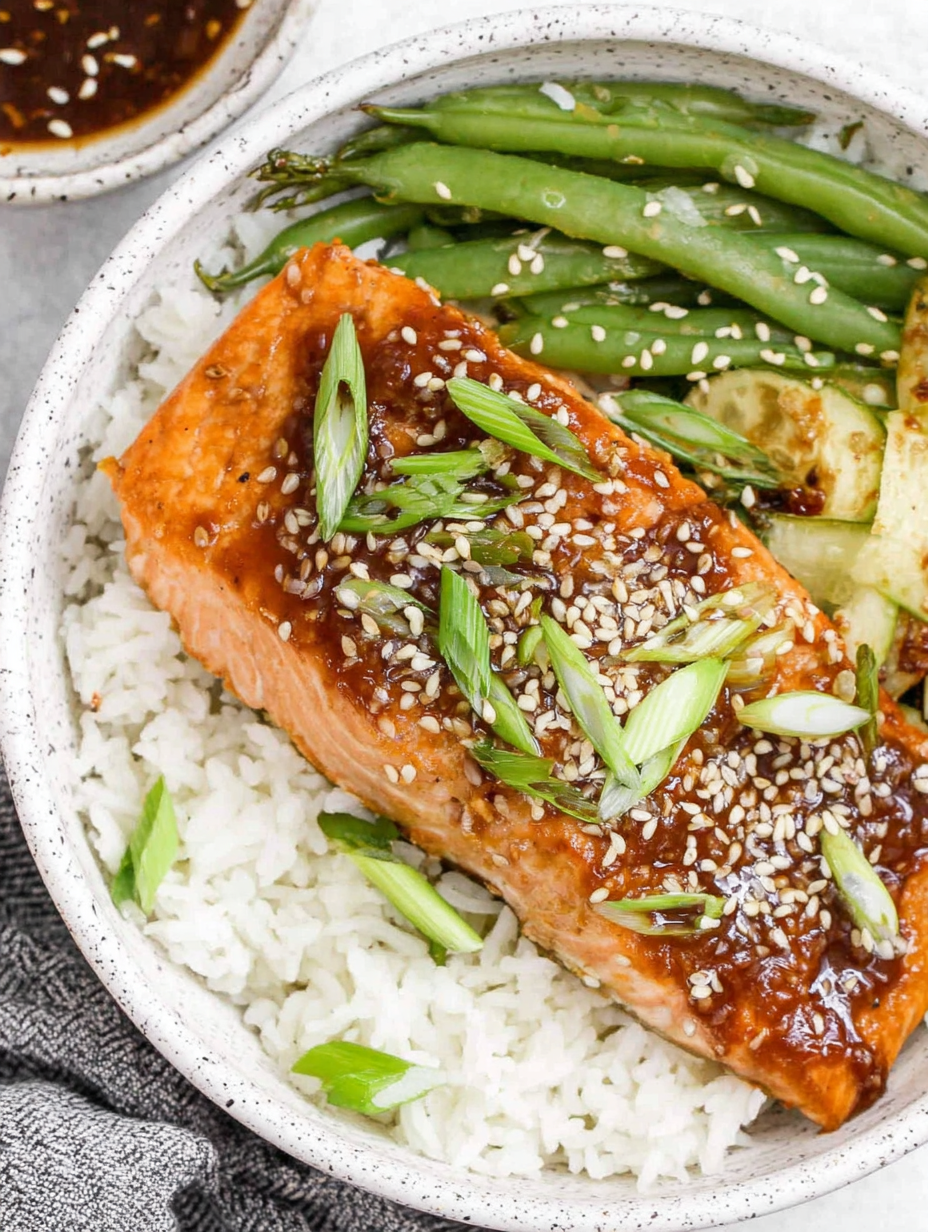
You Must Know
- This keeps very well: cooked fish held in an airtight container will stay good in the refrigerator for up to 3 days and can be frozen for up to 3 months if tightly wrapped.
- High-heat finish is optional but recommended for a caramelized top; watch the oven carefully for 3–5 minutes to prevent burning the honey.
- If using a thinner filet, reduce bake time by a few minutes; thicker filets may need the extra 3–5 minutes after raising the temperature.
- Because the glaze contains honey, it will brown quickly; use coconut aminos for a milder, gluten-free option and tamari if you prefer a deeper soy flavor.
My favorite aspect of this dish is how the quick caramelization transforms pantry ingredients into something that looks plated at a restaurant. Guests always notice the glossy finish and the bright pop from fresh green onions. Over the years I’ve learned that gentle baking followed by a short, intense blast of heat gives the most reliable texture — moist interior, slightly crisped exterior.
Storage Tips
Cool the salmon to room temperature (no more than two hours out) and store in an airtight container. Refrigerate for up to 3 days; reheat gently in a 300°F oven for 10 minutes or until warmed through to avoid drying it out. For longer storage, flash-freeze portions on a baking tray until solid, then transfer to a zip-top freezer bag and freeze up to 3 months. Thaw overnight in the refrigerator before reheating to preserve texture. Use glass containers for best freshness and to avoid flavor transfer.
Ingredient Substitutions
If coconut aminos aren’t available, use a gluten-free tamari (3 tablespoons) for a similar saltiness and color. Swap honey for maple syrup for a vegan-friendly alternative (note: this will change the flavor slightly) — use the same amount. If you don’t have fresh ginger, 1/4 teaspoon ground ginger can be used in a pinch, though the brightness will be reduced. For a nut-free meal, ensure your sesame oil and seeds are processed in a nut-free facility and omit any optional nutty garnishes.
Serving Suggestions
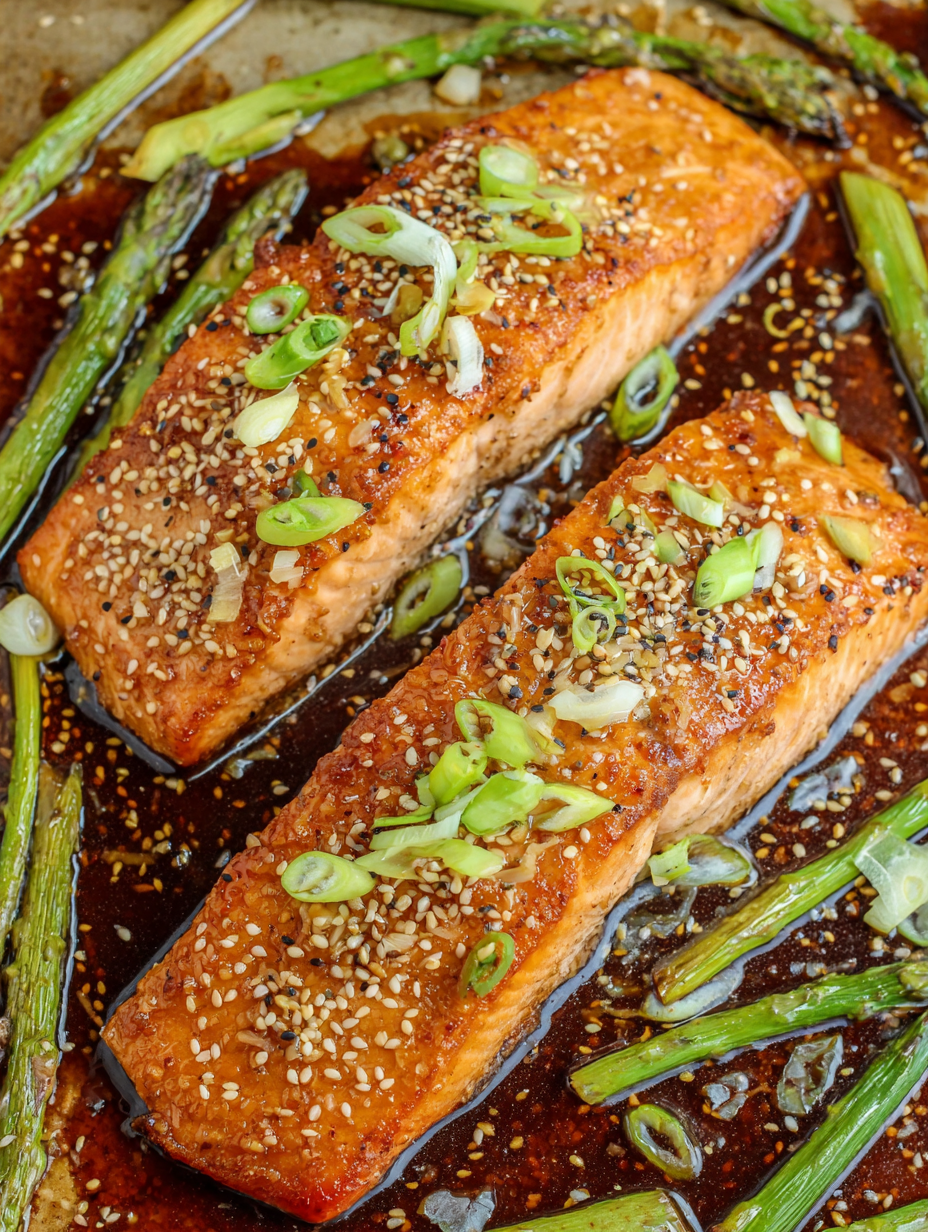
Serve the glazed fish over steamed jasmine rice, cauliflower rice for a lower-carb option, or alongside a simple soba noodle salad (use gluten-free noodles if needed). I like to pair it with blistered sugar snap peas or a quick cucumber salad dressed with rice vinegar and sesame oil to echo flavors. Garnish with toasted sesame seeds and thinly sliced green onions; a scattering of toasted nori flakes is a lovely textural note for a more Japanese-inspired plate.
Cultural Background
This style of glazed fish draws on East Asian flavor principles — balancing sweet, salty, sour, and aromatic elements — rather than a specific traditional recipe. Coconut aminos, sesame oil, rice vinegar, garlic, and ginger are common in many regional approaches to fish in Japanese, Korean, and broader Asian cuisines, adapted here to be quick and accessible using pantry staples. The approach reflects a modern fusion style that emphasizes balance, quick technique, and high-impact finishes.
Seasonal Adaptations
In spring and summer, brighten the plate with herbs like cilantro or a squeeze of fresh lime to add freshness. During fall and winter, serve with roasted root vegetables or sautéed kale to make the meal heartier. If heirloom tomatoes are in season, a quick tomato-cucumber salad with a splash of rice vinegar complements the glaze beautifully. Adjust garnish to seasonal herbs for the best, freshest finish.
Success Stories
Readers often tell me that this has become their “go-to” salmon when they want something polished but fast. One friend served it for a small anniversary dinner and said the glaze made the fish feel elevated without stress. Parents have also noted picky kids often sample — and enjoy — the sweet-savory balance. The recipe’s predictable timing and low-ingredient count make it a reliable favorite for both weeknights and casual entertaining.
Meal Prep Tips
Whisk the glaze ahead of time and store in a jar in the refrigerator for up to 48 hours; bring it to room temperature before using. Pre-cut green onions and grate garlic and ginger into small containers so assembly takes just a couple of minutes. If you’re packing lunches, bake the fish, cool completely, and pack with a fresh cucumber salad and a wedge of lime; reheating gently in a toaster oven restores the glaze without overcooking.
Make this glaze once and it will become a foundation for many quick dinners — over salmon, roasted tofu, or tossed with steamed vegetables. Enjoy the simplicity, and feel free to make it your own.
Pro Tips
Pat the salmon dry before glazing to help the sauce stick and to reduce surface moisture that prevents caramelization.
Spoon the glaze over the fillet halfway through baking and again during the high-heat finish for the most even, glossy coating.
If doubling the fish and using a thicker, larger fillet, increase the bake time to 20–25 minutes and still finish at 450°F for 3–5 minutes.
Use coconut aminos for a soy-free option and gluten-free tamari for a deeper flavor; both work well in this glaze.
This nourishing 30-minute garlic ginger glazed salmon (gluten free!) recipe is sure to be a staple in your kitchen. Enjoy every moist, high protein slice — it is perfect for breakfast or as a wholesome snack any time.
Tags
30-Minute Garlic Ginger Glazed Salmon (Gluten Free!)
This 30-Minute Garlic Ginger Glazed Salmon (Gluten Free!) recipe makes perfectly juicy, tender, and flavorful steak every time! Serve with potatoes and a side salad for an unforgettable dinner in under 30 minutes.
Ingredients
Fish
Glaze
Garnish
Instructions
Preheat and prep salmon
Preheat oven to 400°F. Pat the salmon dry and season lightly with kosher salt. Line a small baking dish or oven-safe skillet with parchment paper and place the salmon on top.
Whisk glaze
In a small bowl, whisk together coconut aminos (or tamari), rice vinegar, honey, hot sauce (if using), sesame oil, grated garlic, grated ginger, and sesame seeds. Stir in cut green onions.
Coat and bake
Pour the glaze over the salmon ensuring even coverage. Bake at 400°F for 15–17 minutes, spooning glaze over the salmon about halfway through to baste.
Finish under high heat
Remove salmon, increase oven to 450°F, spoon glaze over once more and return to oven for 3–5 minutes until glaze begins to caramelize and edges lightly crisp. Watch carefully to avoid burning.
Rest and garnish
Remove from oven and let rest 1–2 minutes. Garnish with extra sesame seeds and thinly sliced green onions. Serve immediately.
Last Step: Please leave a rating and comment letting us know how you liked this recipe! This helps our business to thrive and continue providing free, high-quality recipes for you.
Nutrition
Did You Make This?
Leave a comment & rating below or tag
@platemint on social media!
Categories:
You might also like...
Cheesy Baked Ziti Casserole
Saucy, cheesy baked ziti with ricotta and basil tastes like lasagna in half the effort, perfect for weeknights or crowds.

Juicy Cheeseburger Sliders Bake
Quick, crowd-pleasing cheeseburger sliders baked golden with melty cheddar and savory beef. Ready in 30 minutes, great for parties and easy meal prep.
Air Fryer Sweet Potato Fries
Crispy air fryer sweet potato fries with tender centers, fast-food flavor without deep frying. Ready in minutes and irresistibly snackable.
Did You Make This?
Leave a comment & rating below or tag @platemint on social media!
Rate This Recipe
Share This Recipe
Enjoyed this recipe? Share it with friends and family, and don't forget to leave a review!
Comments (1)
This recipe looks amazing! Can't wait to try it.
Comments are stored locally in your browser. Server comments are displayed alongside your local comments.

Hi, I'm Wendie!
What's Popular
30-Minute Meals!
Join to receive our email series which contains a round-up of some of our quick and easy family favorite recipes.